Drugstore aisles are full of whitening products promising professional-level results at a fraction of the cost. Some of these genuinely work, within limits; others are, at best, a placebo for your wallet. Here's how to tell the difference.
Whitening strips: modestly effective
Strips containing hydrogen or carbamide peroxide, the same active ingredients used professionally, can produce real, if modest, whitening over one to two weeks of consistent use. The concentration is lower than what we use in-office, so results are slower and less dramatic, but they're not nothing — for mild surface staining, strips are a reasonable, low-cost option.
LED light kits: the light isn't doing much
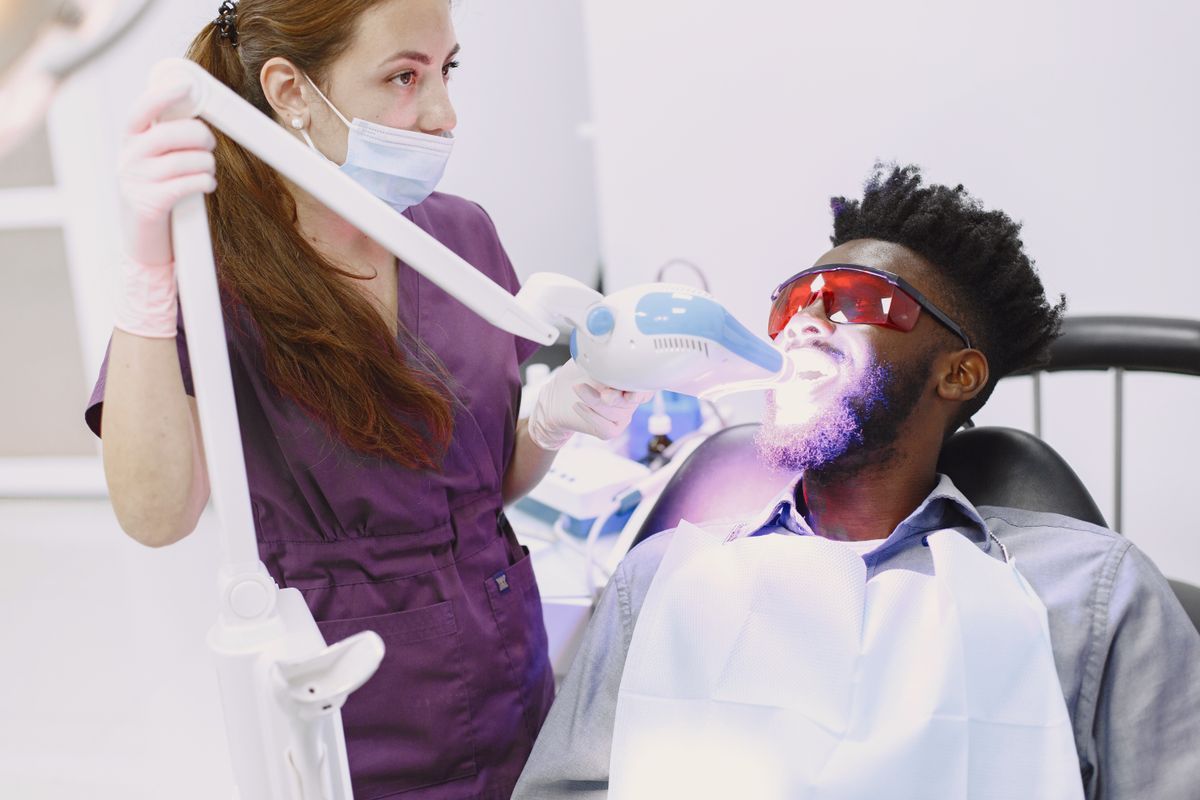
Many at-home kits pair a whitening gel with a blue LED light, implying the light accelerates results the way in-office lights do. In practice, the light in most consumer kits is far too weak to meaningfully activate the gel — most of the whitening you see comes from the gel itself, not the light. If a kit works, it's the peroxide doing the work, not the glowing mouthpiece.
Charcoal powders and "natural" whiteners: mostly abrasive, not chemical
Activated charcoal and similar powders whiten primarily by physically scrubbing away surface stain, not by breaking down pigment inside the enamel the way peroxide does. That abrasiveness is a real concern — used regularly, these products can wear down enamel over time, which makes teeth look more yellow in the long run since it exposes the naturally yellower dentin underneath.
Whitening toothpaste: fine for maintenance, not transformation
Whitening toothpastes remove surface stain through mild abrasives and sometimes a small amount of peroxide, which helps maintain results after a professional or strip-based whitening but won't meaningfully lighten your baseline shade on its own.
When professional whitening is worth the extra cost
- You want dramatic results in a single visit rather than gradual improvement over weeks
- You have sensitive teeth and want a dentist-supervised approach with desensitizing options built in
- Your discoloration is deeper or more stubborn than surface staining responds to
- You want a custom, comfortable tray fit rather than one-size-fits-all strips
At-home strips are a legitimate option for mild staining on a budget — just skip the charcoal, and don't expect the LED light to be doing much of anything.
If your discoloration needs more than a strip can offer, see our cosmetic dentistry page for professional options.