This is one of the first questions patients ask before committing to whitening, and understandably so — nobody wants to pay for results that fade in a month. The honest answer is that professional in-office whitening typically lasts six months to two years, but the range depends far more on your habits afterward than on the treatment itself.
What actually causes whitening to fade
Whitening results fade gradually as your enamel is re-exposed to the same staining culprits that discolored it in the first place: coffee, tea, red wine, dark sauces, and tobacco. Enamel is naturally porous, so pigments from these foods and drinks slowly redeposit over months, which is why whitening isn't permanent — it's more like a reset than a one-time fix.
In-office vs. take-home trays: does longevity differ?
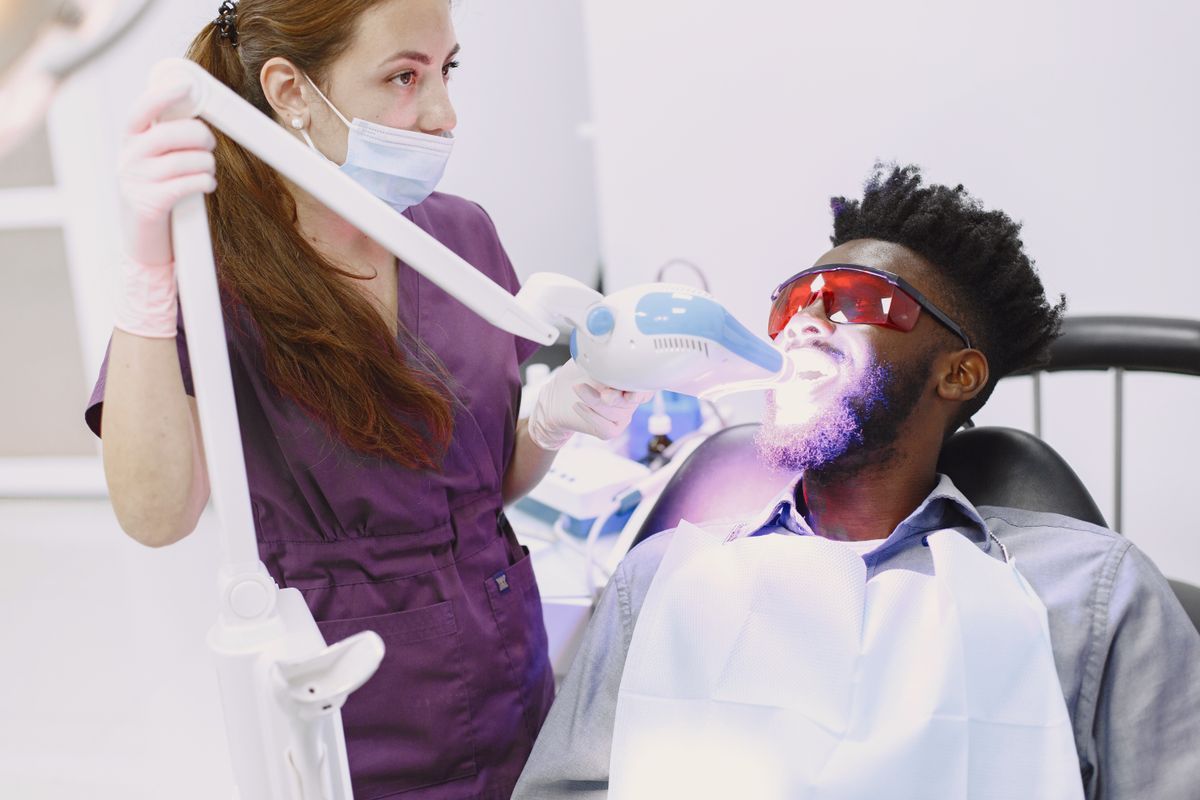
In-office Zoom whitening delivers dramatic results in a single visit using a stronger gel activated by light, typically lasting six months to a year with normal habits. Custom take-home trays with professional-strength gel work more gradually over one to two weeks but tend to produce slightly longer-lasting results, and they're easy to touch up periodically since you keep the trays.
How to make results last longer
- Drink dark, staining beverages through a straw when possible to limit contact with front teeth
- Rinse with water shortly after coffee, tea, or wine rather than letting pigments sit on enamel
- Wait 24–48 hours after any whitening treatment before consuming staining foods or drinks, since enamel is temporarily more porous right after treatment
- Keep up routine cleanings, which remove surface stain buildup before it has a chance to set in
- Use a touch-up treatment with take-home trays every four to six months rather than waiting until results have fully faded
Who tends to see faster fading
Smokers, heavy coffee or red wine drinkers, and patients with naturally more porous enamel tend to see results fade toward the shorter end of the range. This isn't a reason to skip whitening — it just means a touch-up schedule is worth planning for rather than being surprised by.
If your whitening has faded and you're due for a refresh, a touch-up treatment is usually quicker and less expensive than starting from scratch — ask us what makes sense based on how you whitened originally.
Ready for a touch-up or your first treatment? Our cosmetic dentistry page covers what to expect.