One of the biggest hesitations around cosmetic dentistry used to be simple: what if it doesn't look the way I imagined? Digital smile design solves that specific worry by showing you a realistic preview of your new smile before a single tooth is touched.
How the process works
We start with digital photos and a 3D intraoral scan of your current smile. Design software then lets us adjust tooth shape, length, alignment, and shade directly on your own photo — not a stock image or a generic mockup — so what you're previewing is genuinely your face and your smile, just refined.
What it's used for
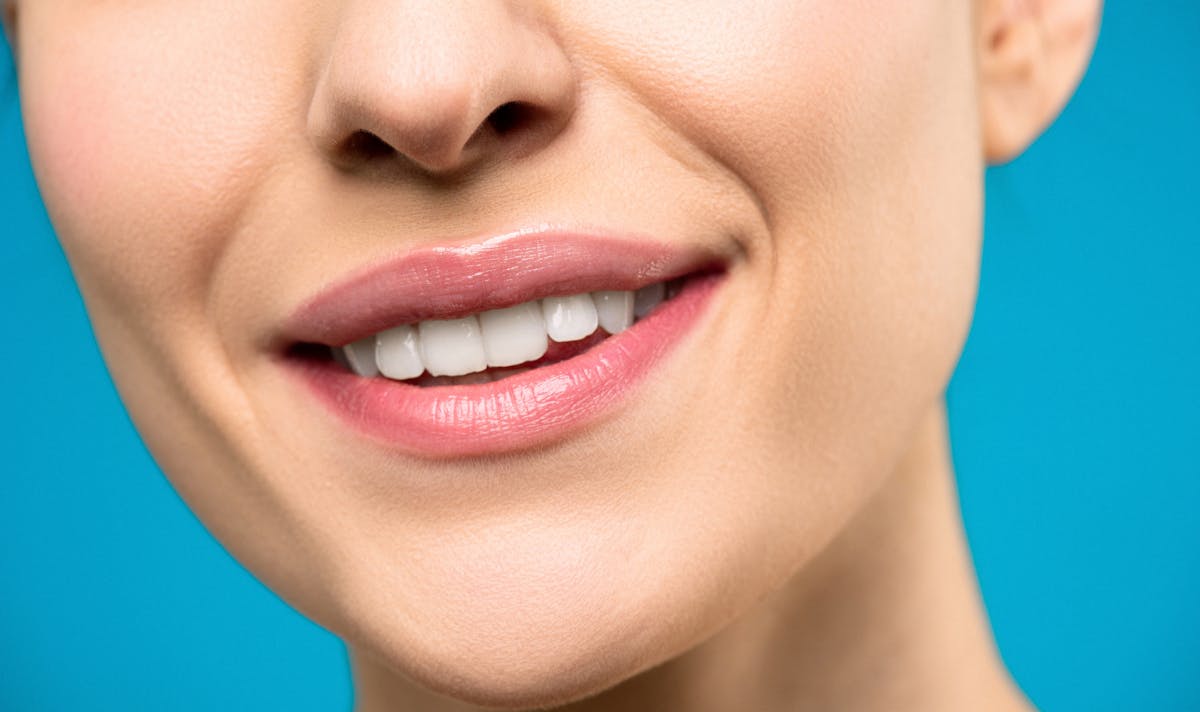
- Previewing veneer shape and shade before fabrication begins
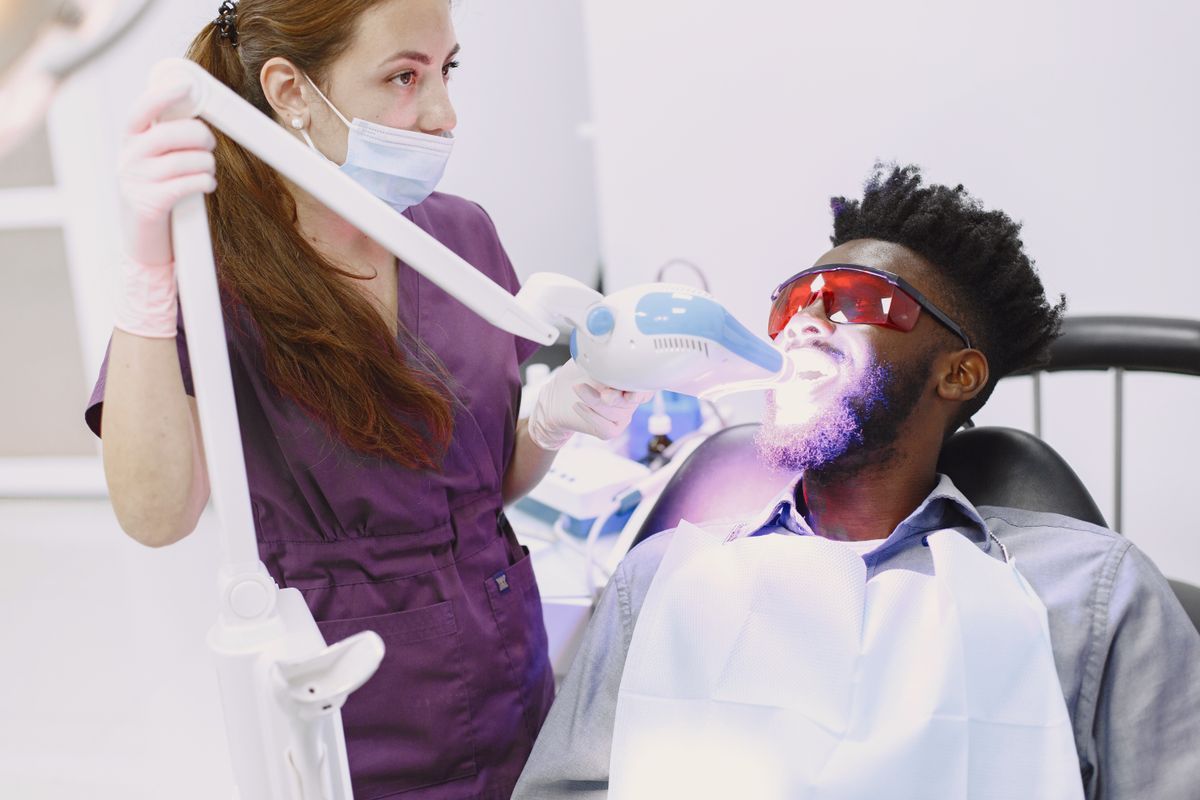
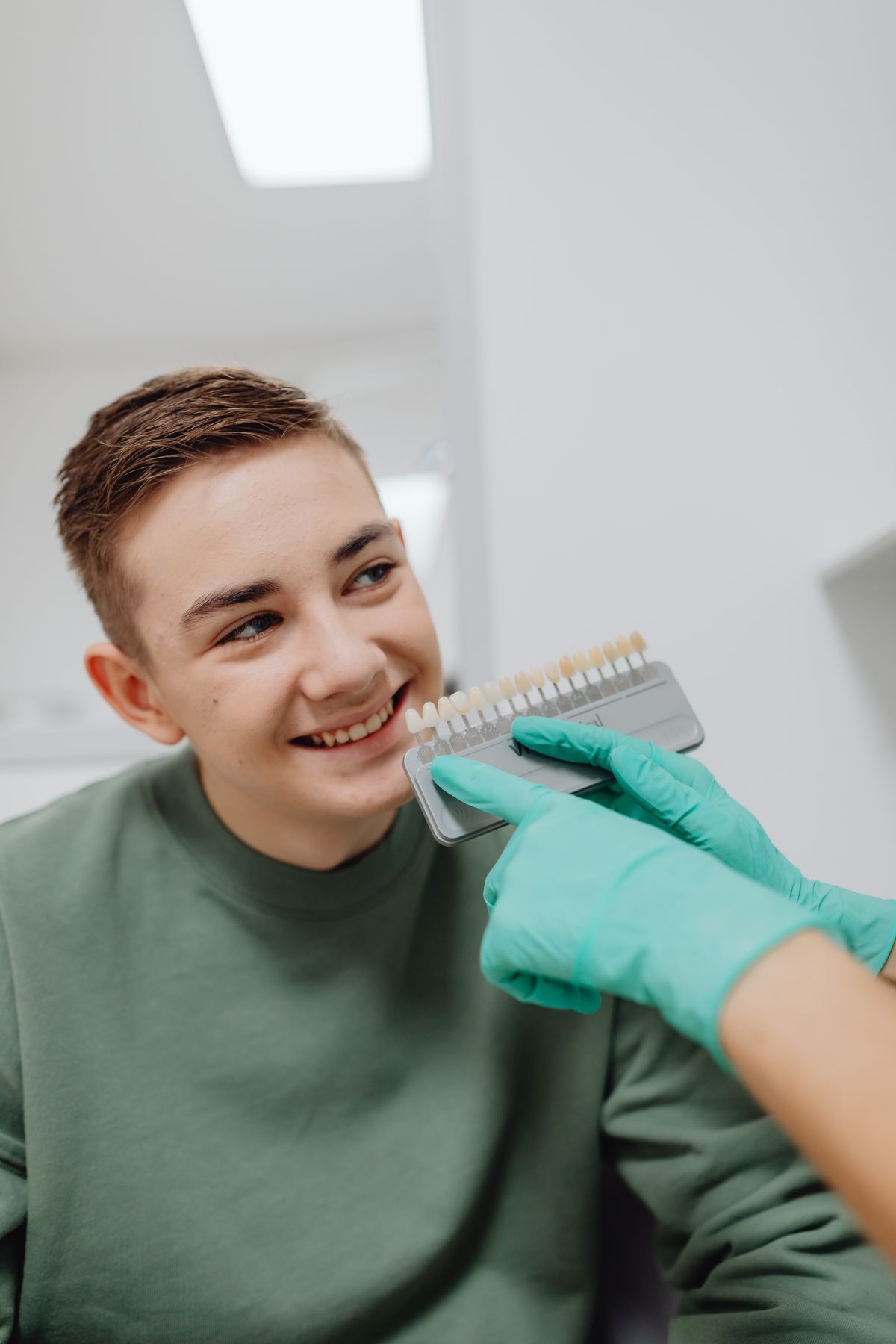
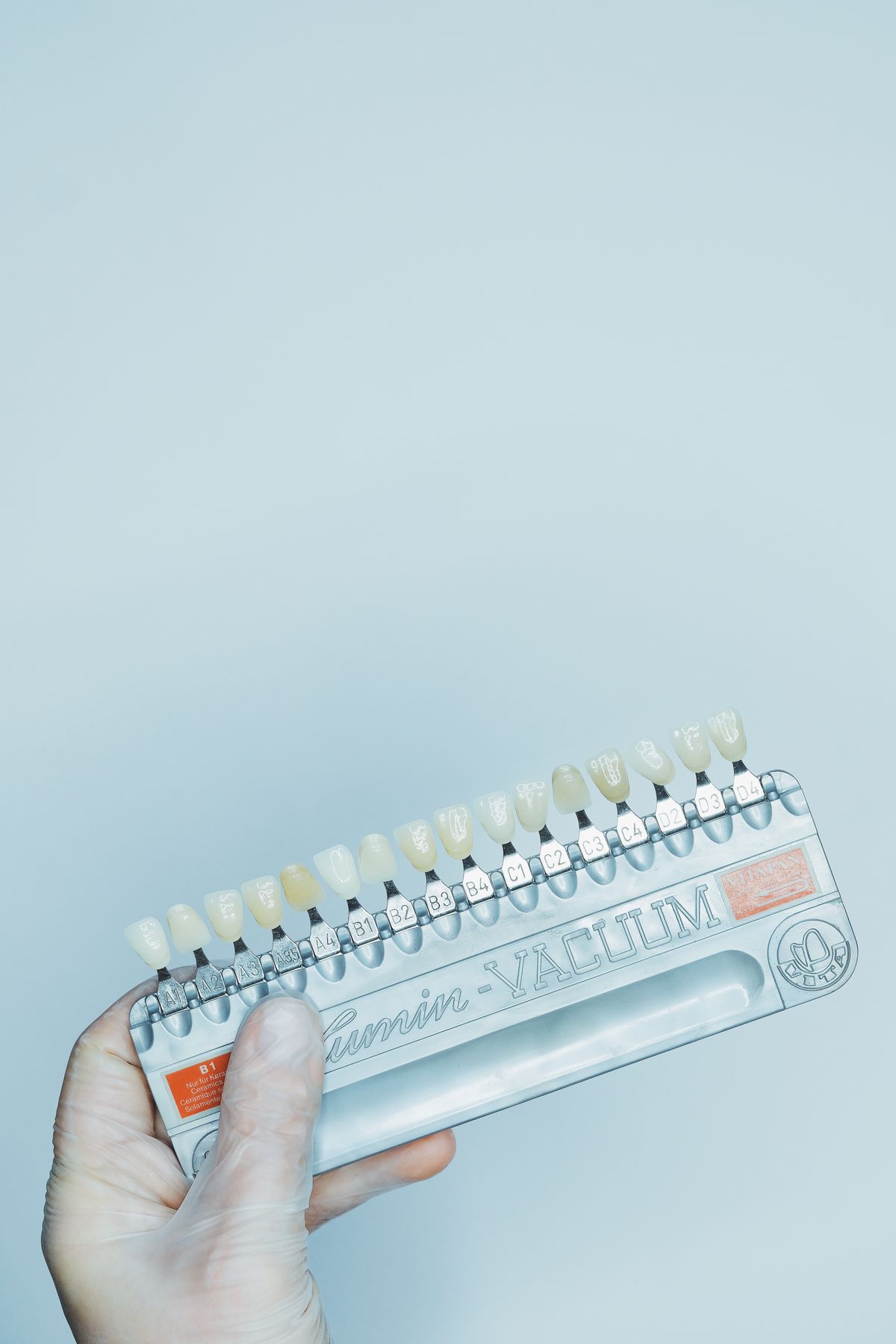
- Testing different whitening shades against your skin tone and features
- Planning orthodontic outcomes alongside cosmetic work
- Visualizing a full smile makeover that combines several treatments at once
Why it changes the conversation
Instead of describing what you want in words that can be interpreted differently by patient and dentist, digital design turns the conversation into a shared reference point. Patients routinely adjust their request after seeing an early draft — a little less white, slightly shorter, more rounded at the edges — refinements that would have been guesswork with a physical mockup or verbal description alone.
Does the final result match the preview exactly?
It's remarkably close, though not pixel-perfect — the digital design guides the lab fabricating veneers or crowns, and your dentist's hands still do the actual bonding and shaping. Think of the preview as a highly accurate blueprint rather than a guarantee down to the millimeter, which is still a dramatic improvement over the old standard of hoping for the best.
If you've been curious about a cosmetic change but hesitant to commit without seeing it first, a digital preview is a low-pressure way to find out exactly what's possible before deciding anything.
Curious to see your own preview? Our cosmetic dentistry page has more on how a digital design consultation works.