
Why Dental Implants Are the Gold Standard
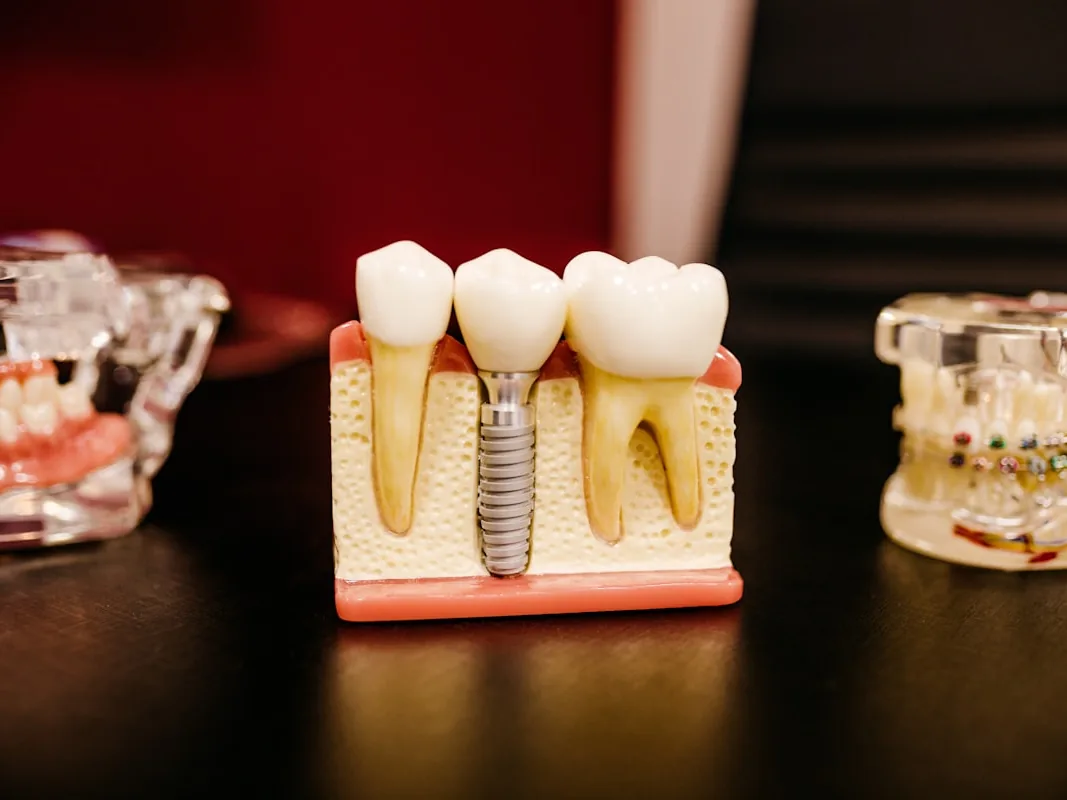
Dental implants have earned their reputation as the gold standard for replacing missing teeth because, unlike a bridge or a denture, they replace the entire tooth — root and all. A titanium post takes the place of the natural root, fusing with your jawbone over several months in a process called osseointegration. That fusion is what makes implants feel and function so differently from other tooth-replacement options: they don't shift while you eat, they don't rely on adjacent teeth for support, and they stimulate the surrounding bone the same way a natural root does, which helps prevent the gradual bone loss that follows tooth loss. The result is a replacement tooth that looks, feels and bites like your own, and that can last decades with routine care.
Types of Implant Restorations We Offer
Not every implant case looks the same, and at ProCare Dental we customize the approach to your specific bone structure, bite and cosmetic goals. A single missing tooth is typically restored with one implant topped by a lifelike ceramic crown, matched precisely to your surrounding teeth in shade and shape. When several teeth in a row are missing, an implant-supported bridge can replace them without grinding down healthy neighboring teeth the way a traditional bridge would. For patients missing most or all of their teeth in an arch, a full-arch All-on-4 restoration anchors an entire new row of teeth to just four strategically placed implants — often allowing for a fixed, non-removable full-arch restoration in a fraction of the time older techniques required.
- Single-tooth implants with a custom ceramic crown
- Implant-supported bridges for multiple missing teeth
- Full-arch All-on-4 restorations
- Implant-stabilized dentures for a secure, comfortable fit
How We Plan Your Implant Treatment
Every implant journey at ProCare Dental begins with a 3D cone-beam CT scan, which maps your bone density, nerve position and sinus anatomy with millimeter accuracy long before any instrument touches your mouth. That level of detail lets us plan the exact position, angle and depth of each implant using guided surgical templates, which meaningfully reduces surgical time, minimizes discomfort and produces a more predictable, precise outcome than freehand placement. If a CT scan reveals that a site doesn't have quite enough bone volume to support an implant — common after a tooth has been missing for a while — a bone graft can rebuild that foundation over a few months before placement, a routine step rather than a setback.
What to Expect During Placement and Healing
The implant itself is placed under local anesthesia, with sedation options available for patients who feel anxious about the procedure; most describe the experience as more comfortable than a tooth extraction. Over the following two to four months, the titanium post gradually fuses with the surrounding bone. This healing period is the least eventful part of the process day-to-day, but it's the most important structurally, since it creates the durable foundation implants are known for. Once integration is confirmed, we take a precise digital impression and design your final crown, bridge or denture to match your bite and smile. Throughout every stage, our team provides clear communication and detailed post-operative guidance, so you always know what's happening and what comes next.
Caring for Your Implant Long-Term
One of the most reassuring facts about implants is that, unlike a natural tooth, the crown itself cannot get a cavity — but the gum and bone around the implant still need the same attention as the rest of your mouth. Daily brushing and flossing, along with regular cleanings and checkups, are what keep an implant healthy for the long haul. With that routine care, a dental implant can comfortably last 25 years or more, and for many patients, a lifetime. If you're missing one tooth or an entire arch, a consultation with our team will map out exactly what your bone structure supports and what your treatment timeline would look like, so you can make a confident, informed decision about restoring your smile.
What's included
- Single tooth implants
- Implant-supported bridges
- All-on-4 full arch
- 3D guided surgery
Before & After
Before 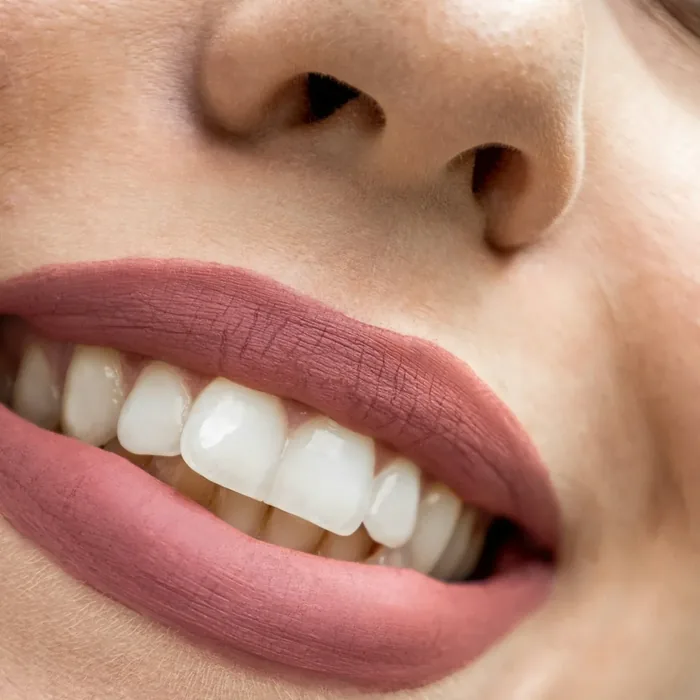
After Single front-tooth implant restoration

Patient Reviews
For dental implants
"My implant feels exactly like a natural tooth. The 3D planning was impressive."
— Steve P."Replaced two missing teeth with implants — zero pain and they look perfect."
— Jennifer A.
Frequently Asked Questions
- How long do dental implants last?
- With good oral hygiene, implants can last 25+ years and often a lifetime.
- Is implant surgery painful?
- Most patients report less discomfort than a tooth extraction. We use local anesthesia and sedation options.
- How long does the full process take?
- From placement to final crown, 3–6 months on average to allow bone integration.
- Am I a candidate?
- Most healthy adults qualify. A 3D scan confirms you have enough bone — grafting is available if not.
Aftercare
Post-Op: Dental Implants
Follow these instructions for a comfortable, complication-free recovery.
- Bite gently on gauze for 30–45 minutes to control bleeding.
- Apply an ice pack 20 minutes on / 20 off for the first 24 hours.
- Stick to soft, cool foods (yogurt, smoothies, mashed potatoes) for 3 days.
- Do NOT smoke, use straws, or rinse vigorously for 72 hours — it can dislodge the clot.
- Begin gentle warm saltwater rinses starting day 2 (1 tsp salt in 8 oz water).
- Take prescribed antibiotics and pain medication as directed.
- Call us immediately if you have heavy bleeding, fever, or swelling worsening after day 3.
Emergency? Call our Livingston office at (973) 533-1777.