
The Hidden Connection Between Jaw Pain and Sleep
Chronic jaw pain, clicking, morning headaches and restless nights are often interconnected problems that many patients suffer through silently, unaware that effective dental solutions are available right here at ProCare Dental. Temporomandibular joint (TMJ) disorder and obstructive sleep apnea might seem like unrelated complaints — one goes to the dentist, the other to a sleep clinic — but they share overlapping anatomy. Clenching or grinding overnight strains the jaw joint and surrounding muscles, which can also affect tongue position and airway space during sleep, while a narrow or recessed jaw, a common contributor to sleep apnea, changes how those same muscles have to work. Treating one frequently improves the other.
How We Evaluate Your Symptoms
Our TMJ and sleep apnea program begins with a comprehensive evaluation of your bite, jaw joint function, airway anatomy and sleep history. We look at patterns of tooth wear, ask about morning headaches, jaw soreness and clicking, and discuss any feedback you've gotten from a partner about snoring or breathing pauses during sleep. If sleep apnea is suspected, we coordinate with a sleep physician on a home or in-lab sleep study to confirm a diagnosis, since a proper diagnosis always comes before treatment — a dental appliance addresses the mechanics of the airway, but it isn't a substitute for medical evaluation.
- Bite analysis and jaw joint evaluation
- Review of tooth wear patterns from clenching or grinding
- Coordination with sleep physicians for diagnostic sleep studies
- Custom night guards & oral appliances
Treating TMJ Disorder
For patients diagnosed with temporomandibular joint disorder, we design custom-fitted oral splints and night guards that reposition the jaw, reduce muscle tension and protect tooth enamel from grinding damage. Unlike a generic drugstore mouthguard, these appliances are built from a precise digital impression of your bite, so they fit securely and actually relieve pressure on the joint rather than simply providing a barrier between your teeth. Most patients notice less jaw soreness and fewer morning headaches within one to two weeks of consistent nightly use.
Oral Appliance Therapy for Sleep Apnea
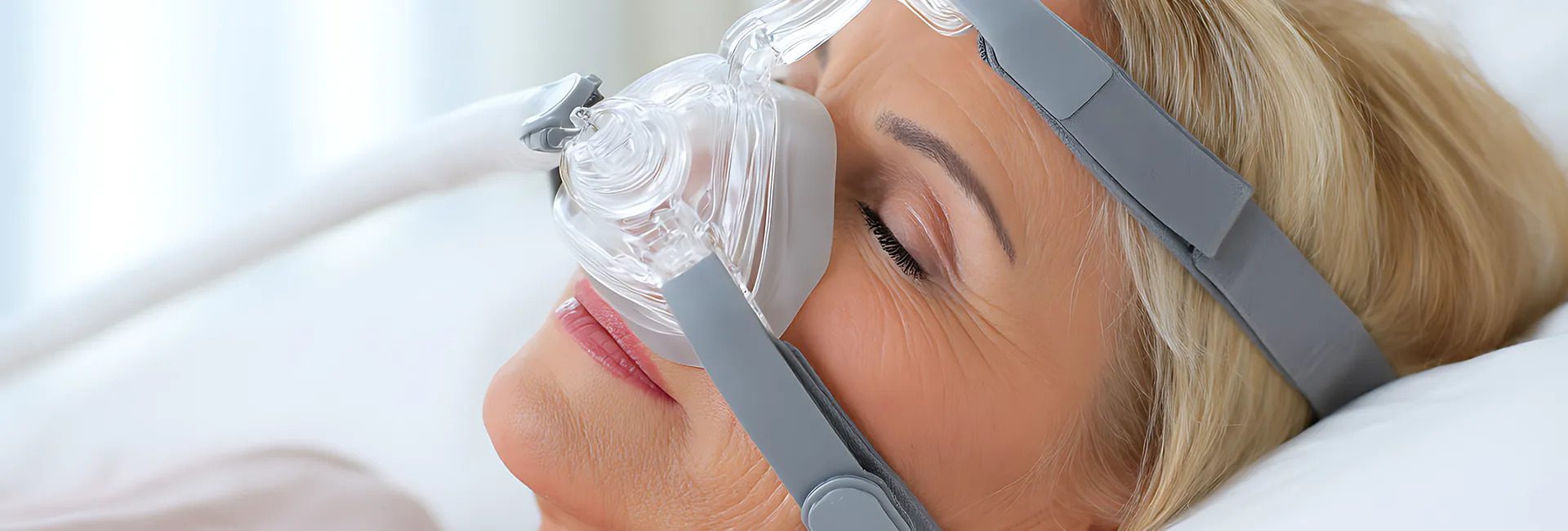
For patients with mild-to-moderate obstructive sleep apnea, we create precision oral appliances that gently advance the lower jaw to keep the airway open during sleep. Many patients find this a far more comfortable and portable alternative to a CPAP mask, and one they're significantly more likely to actually wear every night. Because consistent use is what determines whether a sleep apnea treatment actually works, comfort and compliance matter just as much as the underlying mechanism — which is exactly where a well-fitted dental appliance tends to outperform other options for the right candidates.
Comfort, Precision and Migraine Relief
We also provide migraine relief therapy through specialized bite adjustments and muscle relaxation protocols for patients whose headaches are linked to jaw tension. Every appliance we fabricate — whether for TMJ, sleep apnea, or migraine relief — is made from medical-grade materials using digital impressions, for a fit precise and comfortable enough that you can sleep, talk and even drink water without removing it. If you're waking up with a sore jaw, a dull headache, or a partner nudging you awake for snoring, it's worth bringing up at your next visit.
What's included
- Custom night guards
- Bite analysis
- Sleep apnea appliances
- Migraine relief therapy
Patient Reviews
For tmj & sleep apnea
"My morning headaches are gone after just a few weeks with my night guard."
— Diane S."Sleep apnea appliance changed my life — and my wife's sleep too!"
— Carlos M.
Frequently Asked Questions
- How do I know if I have TMJ?
- Clicking jaw, morning headaches, or jaw soreness are common signs. We do a bite analysis to confirm.
- Is an oral appliance as good as a CPAP?
- For mild-to-moderate sleep apnea, yes — many patients prefer it for comfort and portability.
- Does insurance cover oral appliances?
- Medical insurance often covers them when sleep apnea is diagnosed by a sleep study.
- How long until I feel relief?
- Most patients notice less jaw pain within 1–2 weeks of wearing the appliance nightly.