Dental implants have earned their reputation as the gold standard for replacing missing teeth, but “gold standard” doesn't mean simple, and patients often come in with only a vague idea of the timeline involved. Here's what the process actually looks like, stage by stage.
Stage 1: Consultation and 3D planning
Everything starts with a cone-beam CT scan, which maps your bone density, nerve position, and sinus anatomy in three dimensions. This lets us plan the implant's exact position, angle, and depth before any instrument touches your mouth — the single biggest factor in a comfortable, predictable outcome.
Stage 2: Preparing the site (if needed)
Not every patient has enough bone volume to support an implant right away, especially if a tooth has been missing for a while. A bone graft can rebuild that volume, adding three to six months to the timeline before placement — but it's a common, well-understood step, not a setback.
Stage 3: Implant placement
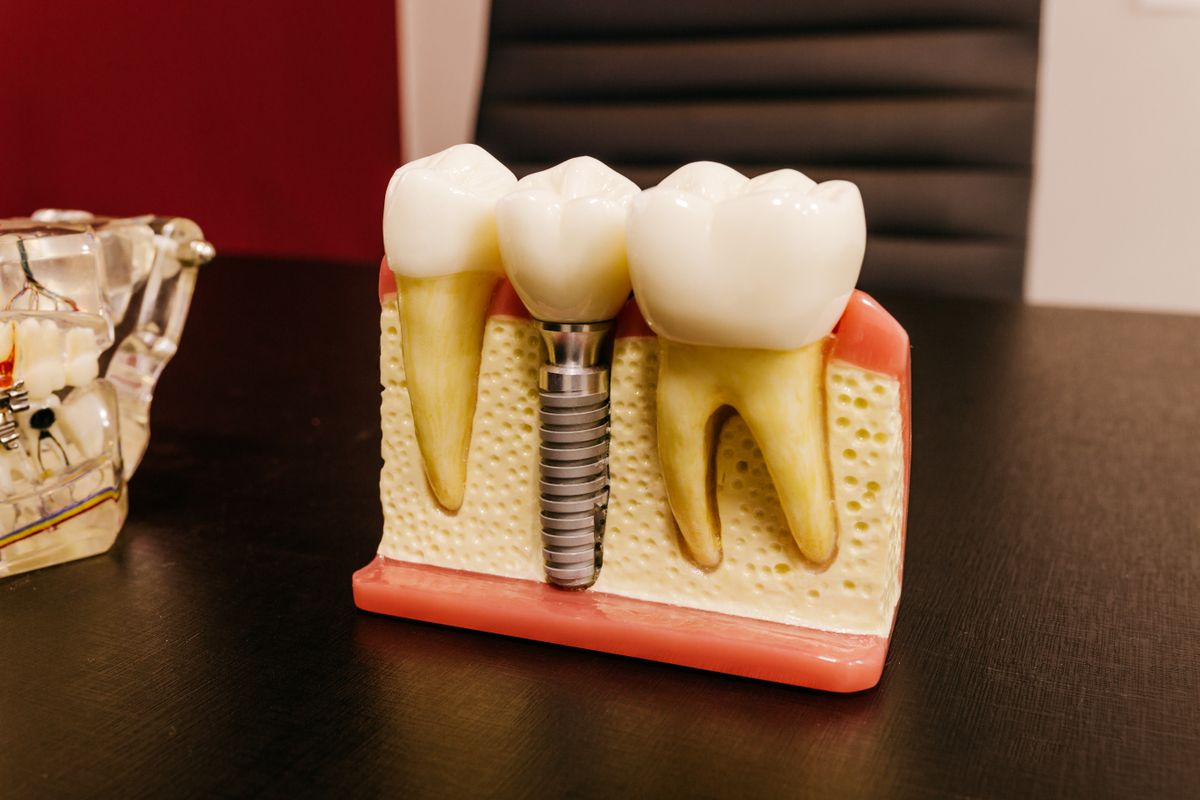
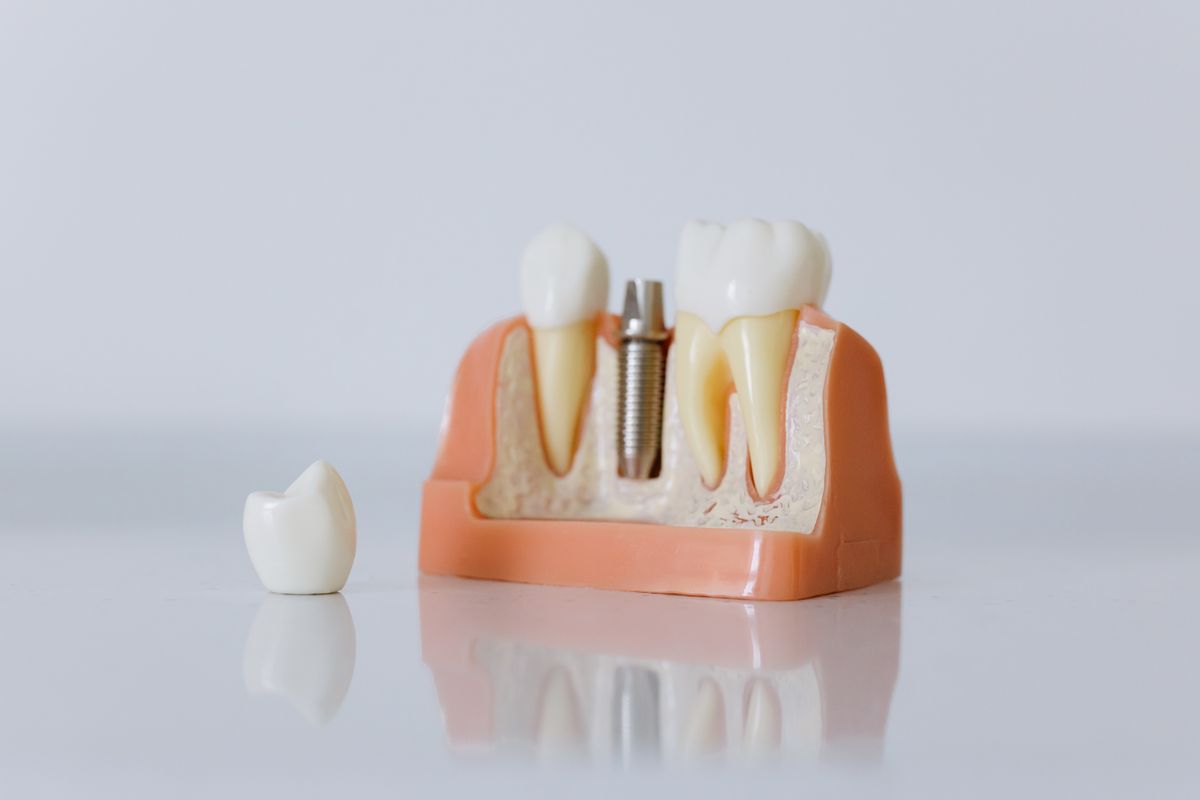
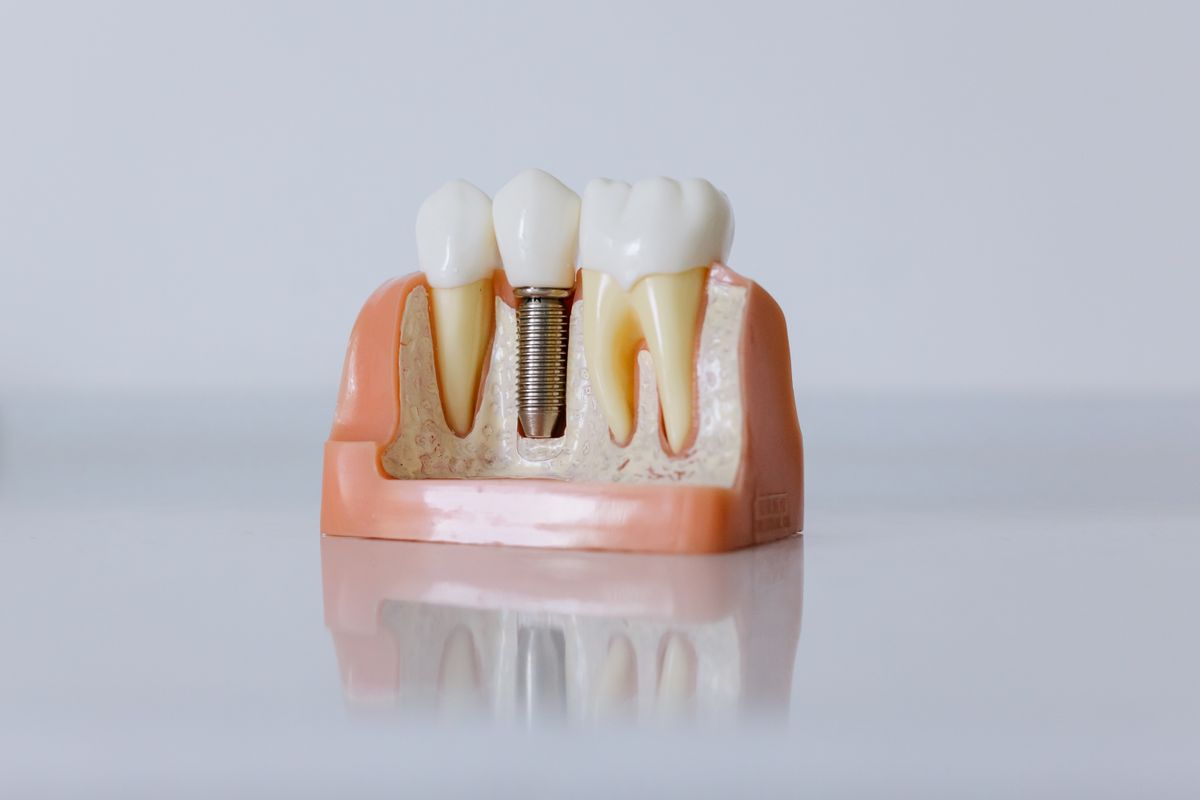
The titanium post is placed into the jawbone under local anesthesia, with sedation options available for anxious patients. Most patients describe the experience as more comfortable than a tooth extraction. This is where the guided planning from Stage 1 pays off — precision here means a smoother recovery.
Stage 4: Osseointegration (the waiting period)
Over the following two to four months, the implant fuses with the surrounding bone — a process called osseointegration that creates the durable foundation implants are known for. This is the least eventful stage day-to-day, but the most important structurally.
Stage 5: The final restoration
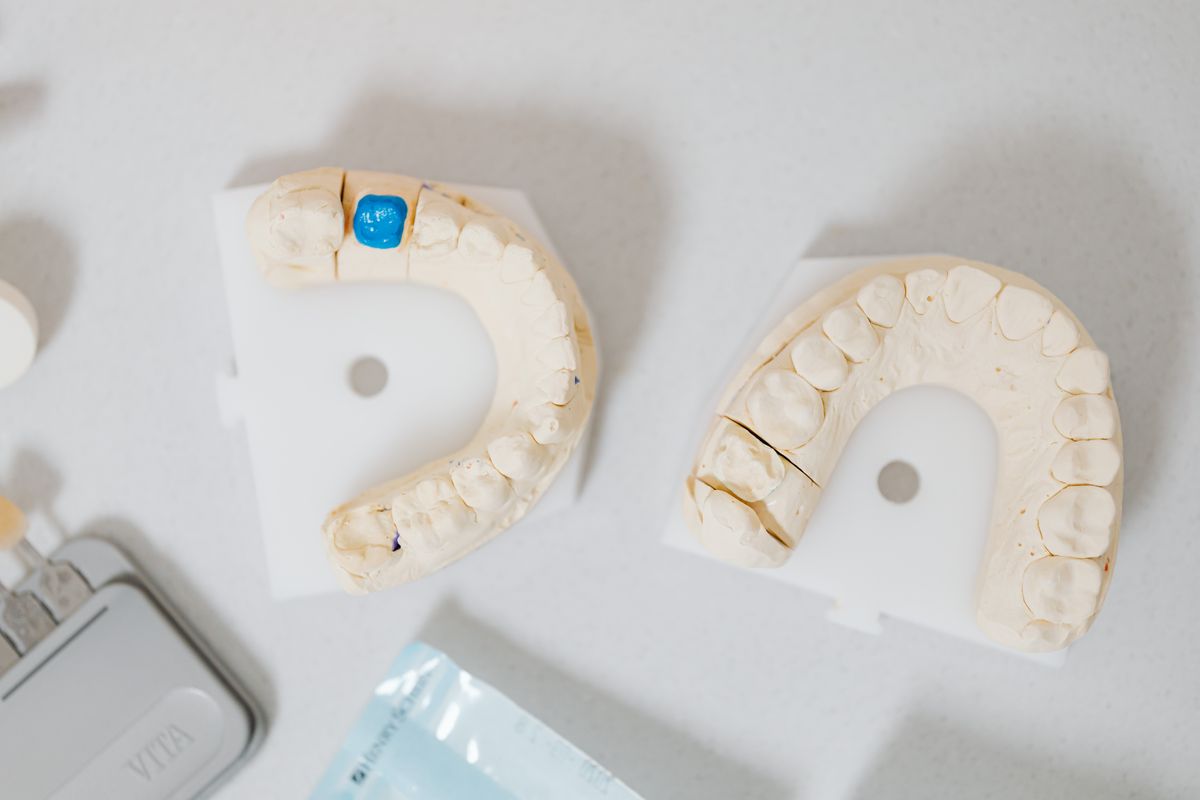
Once integration is confirmed, a digital impression captures the exact shape needed for your crown, bridge, or implant-supported denture. The restoration is crafted to match your surrounding teeth in shade, shape, and translucency, then attached to complete the process.
What the whole timeline looks like
- Simple case, adequate bone: roughly 3–4 months from placement to final crown
- Case requiring bone grafting: roughly 6–9 months total
- Full-arch (All-on-4) restorations: typically 4–6 months, occasionally with a temporary set of teeth in the interim
The timeline can feel long on paper, but the day-to-day experience is mostly ordinary life with a few short appointments along the way — and the result is a tooth that looks, feels, and functions like your own for decades.
A consultation with a 3D scan is the best next step — visit our dental implants page to learn more.