Missing a tooth leaves you with two well-established ways to replace it, and the right choice depends less on personal preference than on the condition of your neighboring teeth, your bone structure, and how long you want the result to last.
How a bridge works
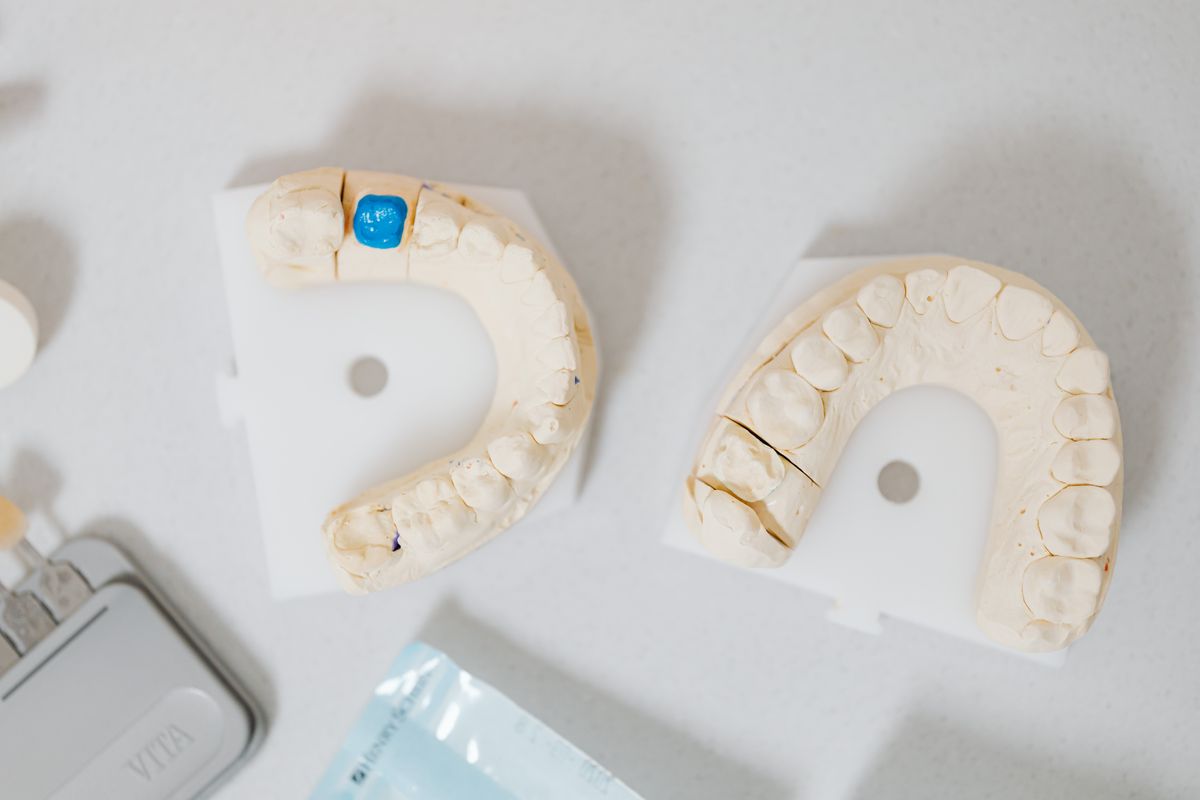
A traditional bridge replaces a missing tooth by anchoring a false tooth to the teeth on either side of the gap, which are shaped down and capped with crowns to support it. It's a single continuous piece, cemented in place, and doesn't involve any surgery — an appealing option for patients who want to avoid a surgical procedure.
How an implant works
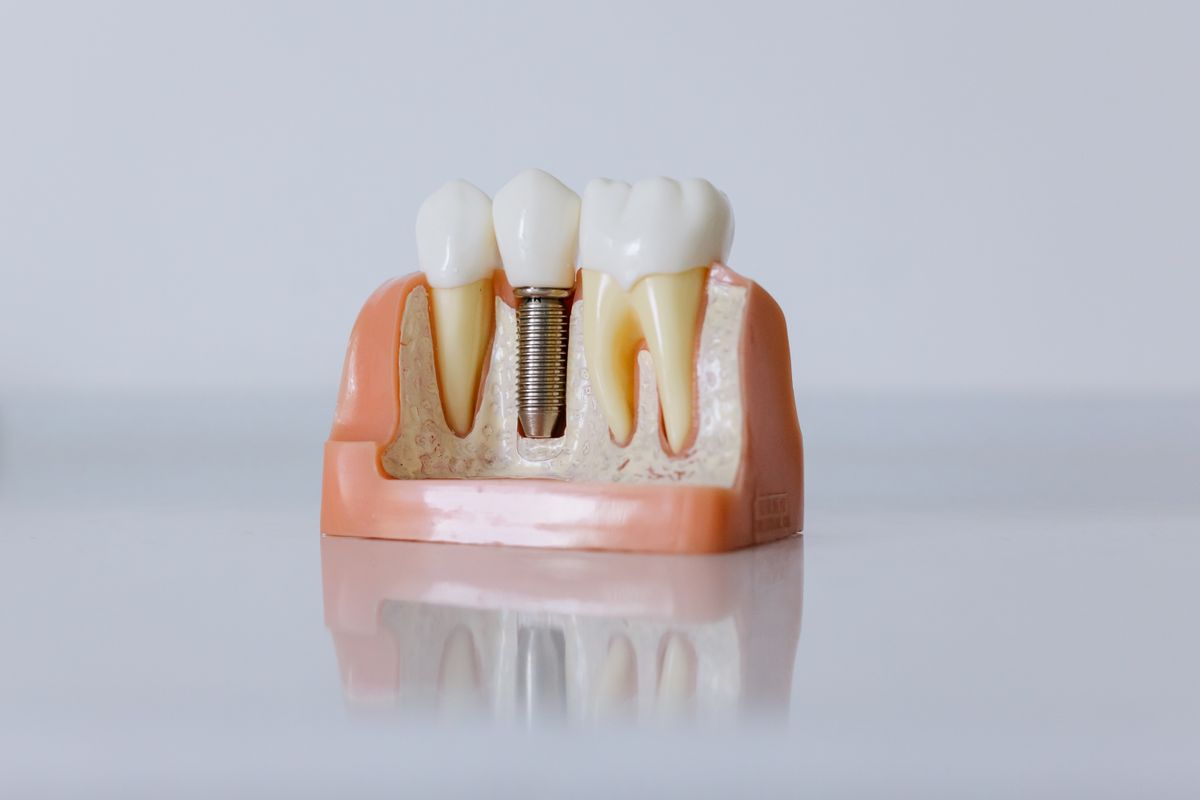
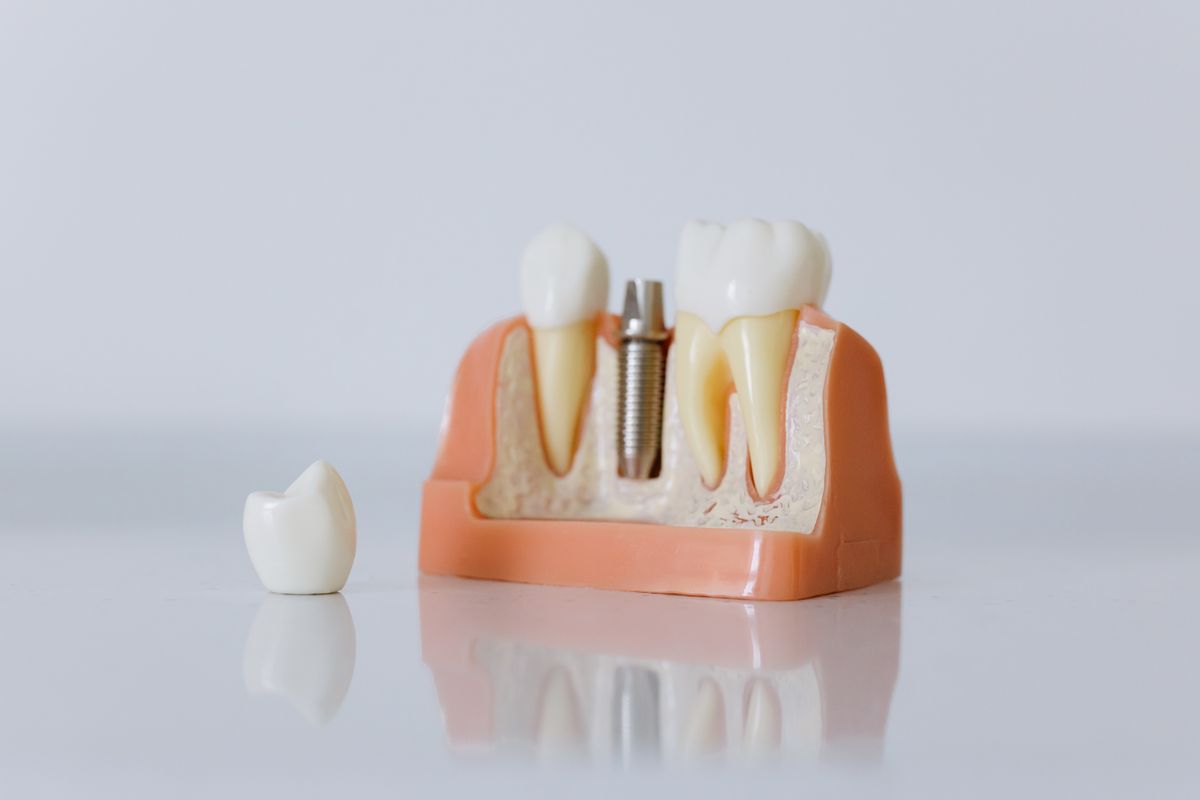
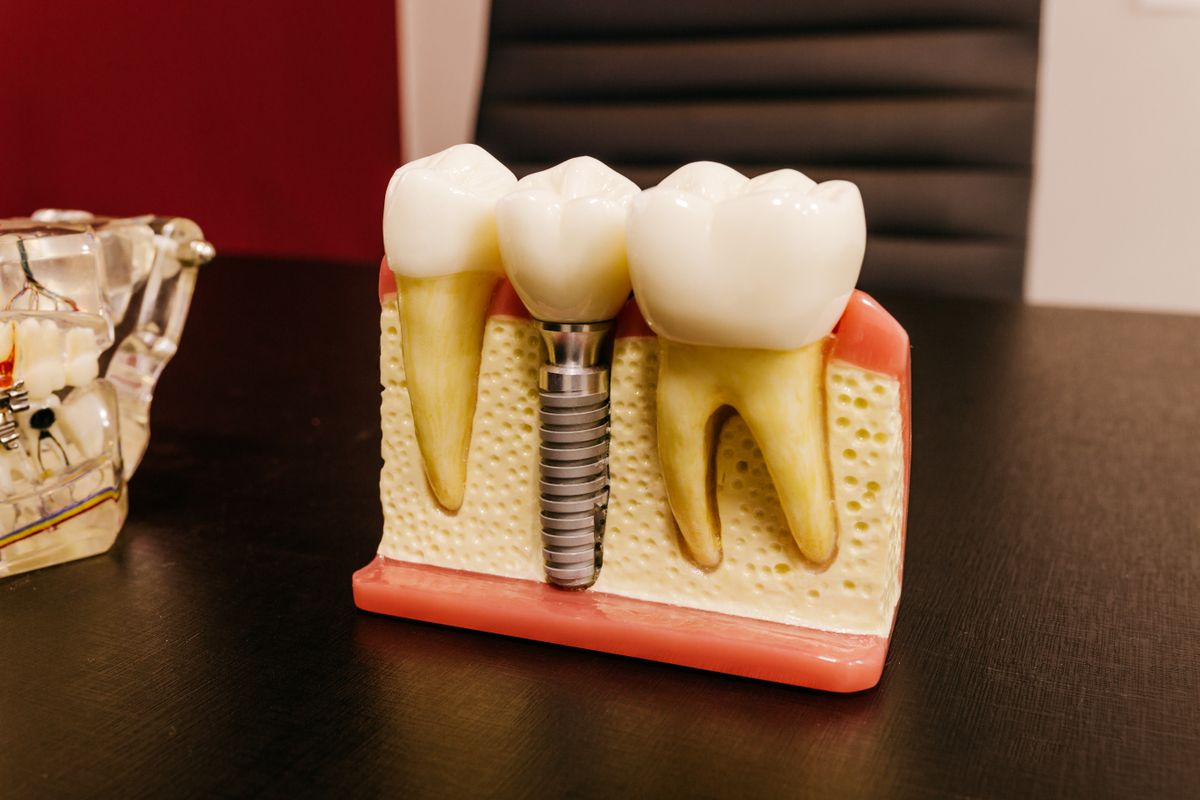
An implant replaces the missing tooth's root directly with a titanium post placed into the jawbone, topped with a custom crown once the post has fused with the bone. Unlike a bridge, it doesn't rely on or alter the neighboring teeth at all — they're left completely untouched.
The biggest trade-off: your healthy neighboring teeth
This is usually the deciding factor for patients. A bridge requires shaving down two healthy teeth to accept crowns, permanently altering them even if they had no problems to begin with. An implant leaves those teeth alone entirely, which is a major reason implants have become the preferred long-term option when a patient is a good surgical candidate.
Longevity and long-term bone health
- Bridges typically last 10–15 years before needing replacement
- Implants can last 25+ years, often a lifetime, with routine care
- Implants stimulate the jawbone the way a natural root does, preventing the bone loss that follows tooth loss
- Bone beneath a bridge's false tooth isn't stimulated and can gradually shrink over time, sometimes affecting fit and appearance
Cost and timeline
Bridges typically cost less upfront and are completed faster — often in two visits over a few weeks, with no surgery or healing period. Implants involve a higher upfront investment and a longer timeline, since the post needs several months to fuse with the bone before the final crown is placed, but that investment often pays off over a longer functional lifespan.
Which is right for you?
Implants are generally the preferred option when you have adequate bone density and want to protect your neighboring teeth long-term. A bridge remains a reasonable choice for patients who aren't candidates for surgery, need a faster or lower-cost solution, or already have crowns planned on the adjacent teeth for other reasons. A consultation with a 3D scan can tell you definitively which options are available to you.
A 3D scan can confirm which options are realistic for your bone structure — see our dental implants page for details.