Molars have deep, narrow grooves on their chewing surfaces that are almost impossible for a toothbrush bristle to fully clean, which is exactly why they're the most common site for childhood cavities. Sealants exist specifically to solve that one problem.
What a sealant actually is
A sealant is a thin, tooth-colored plastic coating painted onto the chewing surface of a molar, where it flows into the grooves and hardens under a curing light. It creates a smooth, easy-to-clean surface over grooves that would otherwise trap food and bacteria no matter how well a child brushes.
How much of a difference they actually make
Sealants are one of the most well-studied preventive measures in pediatric dentistry, and the evidence consistently shows a substantial reduction in molar cavities for sealed teeth compared to unsealed ones, particularly in the first several years after application when cavity risk in new molars is highest.
Who benefits most
- Children right around the time their first and second permanent molars erupt (roughly ages 6 and 12)
- Kids with deep, narrow grooves that are visibly hard to clean thoroughly
- Children with a higher cavity history or risk profile
- Adults with deep molar grooves and no history of decay in those teeth can benefit too, though it's most common in children
The procedure itself
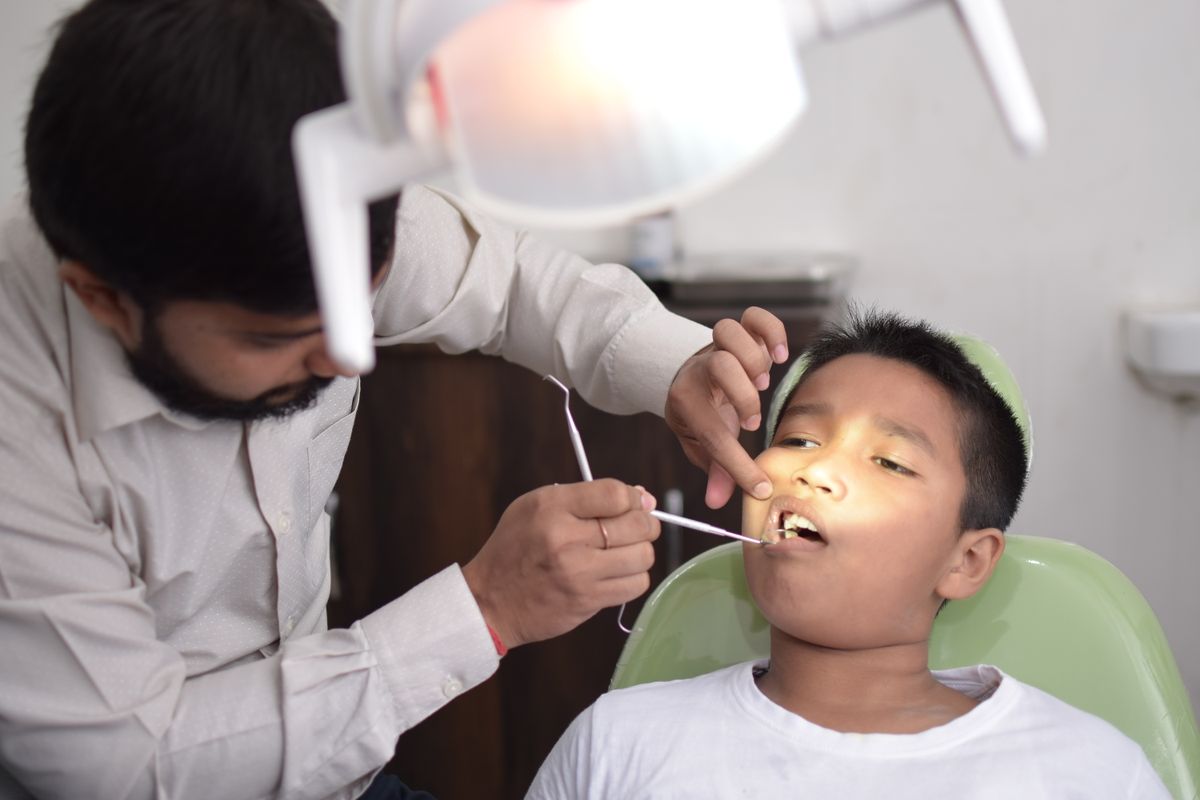
Applying a sealant is quick, painless, and doesn't require any numbing or drilling — the tooth is cleaned, a mild conditioning gel is applied briefly, and the sealant material is painted on and hardened with a light. Most children tolerate it easily in a single short visit.
How long do they last?
Sealants typically last several years under normal chewing, though they're checked at routine cleanings and can be touched up or reapplied if they wear down or chip. They're not a substitute for brushing and flossing — just an extra layer of protection specifically for the grooves those habits can't fully reach.
If your child has new permanent molars coming in, ask us about sealants at their next visit — it's a quick, low-cost step that can meaningfully lower their cavity risk for years.
Ask about sealants at your child's next visit — see our pediatric dentistry page for what else we offer for younger patients.