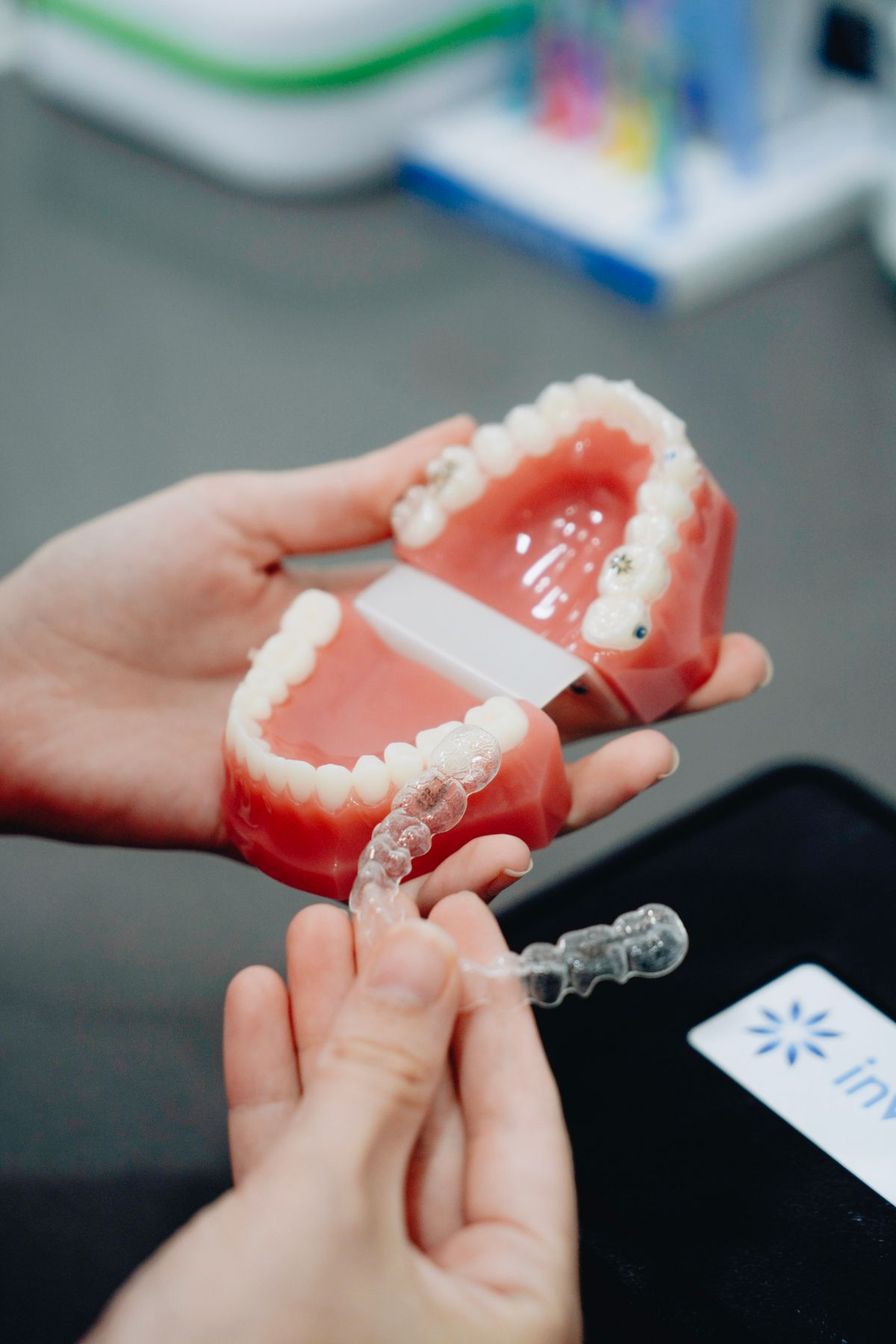

A meaningful share of orthodontic patients today are adults in their 30s, 40s, 50s, and beyond — either treating something for the first time or addressing teeth that shifted back after braces years ago. Healthy teeth and gums can be moved at essentially any age; the biology of tooth movement doesn't have an expiration date.
What's actually different about treating adults
Adult jawbones have finished growing, so treatment relies entirely on moving teeth rather than also guiding jaw growth the way some childhood orthodontic treatment does. This generally means adult treatment focuses more narrowly on tooth position and bite alignment, and can sometimes take slightly longer for the same amount of movement compared to a still-growing teenager.
Gum health matters more for adults
Adults are more likely to have some level of gum recession or prior dental work — old fillings, crowns, or missing teeth — that need to be factored into treatment planning. Healthy gums are actually a requirement before starting orthodontic treatment at any age, but adults are more likely to need a periodontal evaluation first if there's any sign of gum disease.
Discreet options that appeal to adult patients
- Invisalign clear aligners, nearly invisible and removable for meals and cleaning
- Ceramic (tooth-colored) braces, far less visible than traditional metal brackets
- Shorter-treatment options for adults with mild relapse after wearing braces as a teenager
Common reasons adults seek treatment
- Teeth that gradually shifted after not wearing a retainer consistently following teenage orthodontic treatment
- Crowding or spacing that's worsened gradually over the years
- Bite issues contributing to jaw discomfort or uneven wear
- Simply wanting a straighter smile for confidence, now that discreet options exist
It really is a common, well-supported choice
Adult orthodontic treatment isn't a niche request anymore — it's a large and growing share of the patients we treat. A consultation can tell you honestly whether you're a good candidate and roughly what timeline and approach make sense for your specific situation.
A consultation can tell you honestly what timeline and approach make sense — see our orthodontics page for options.