Finishing orthodontic treatment feels like the finish line, but it's really the start of a new, much simpler routine — one that's easy to let slide once braces or aligners are behind you, which is exactly how teeth end up shifting back.
Why teeth shift back without a retainer
Teeth are held in the jawbone by ligaments that take time to fully stabilize in a new position, and there's a natural, lifelong tendency for teeth to drift, particularly toward the front of the mouth, even in people who never had orthodontic treatment. A retainer holds teeth in place while that stabilization happens, and continues offsetting natural drift indefinitely.
The types of retainers
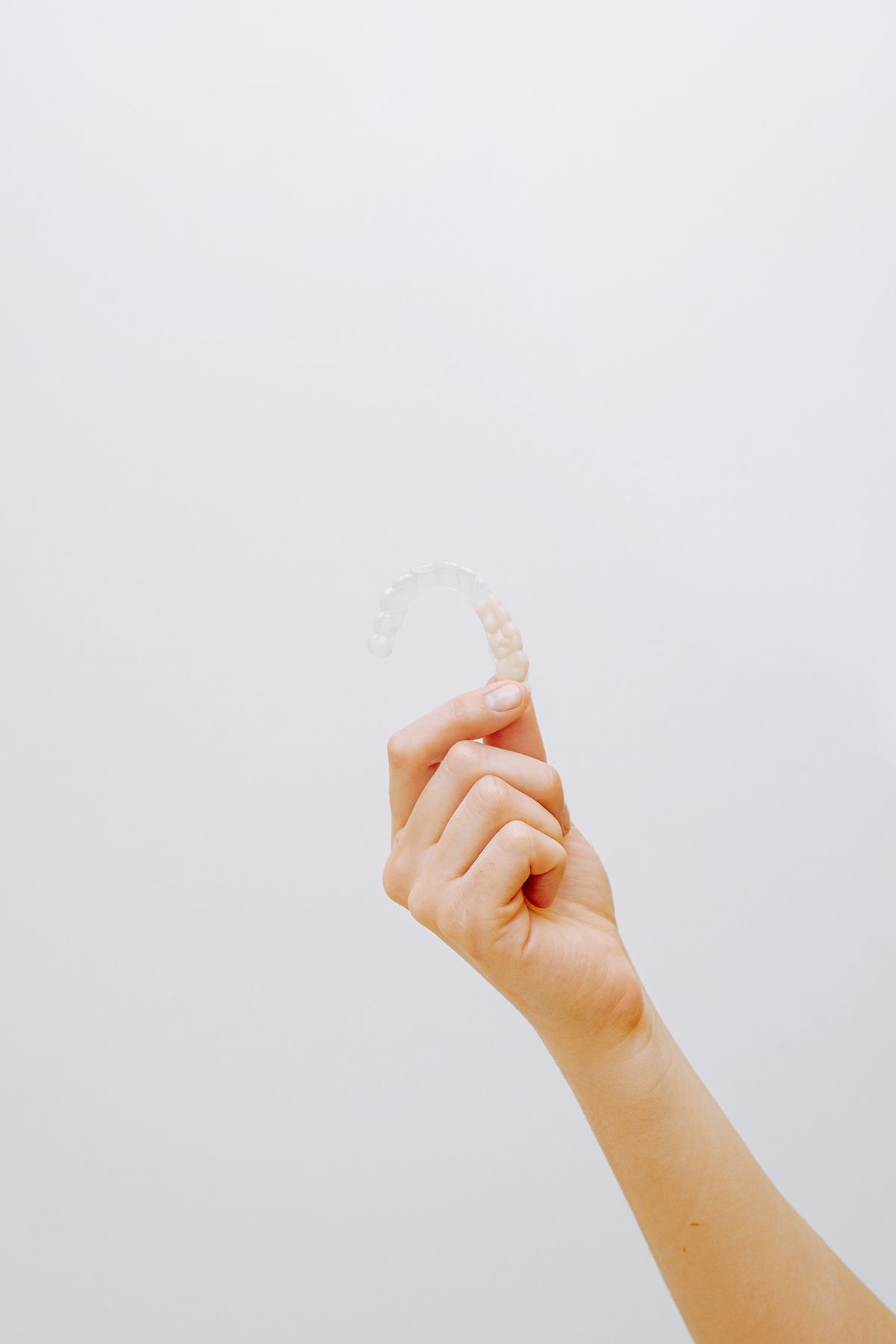
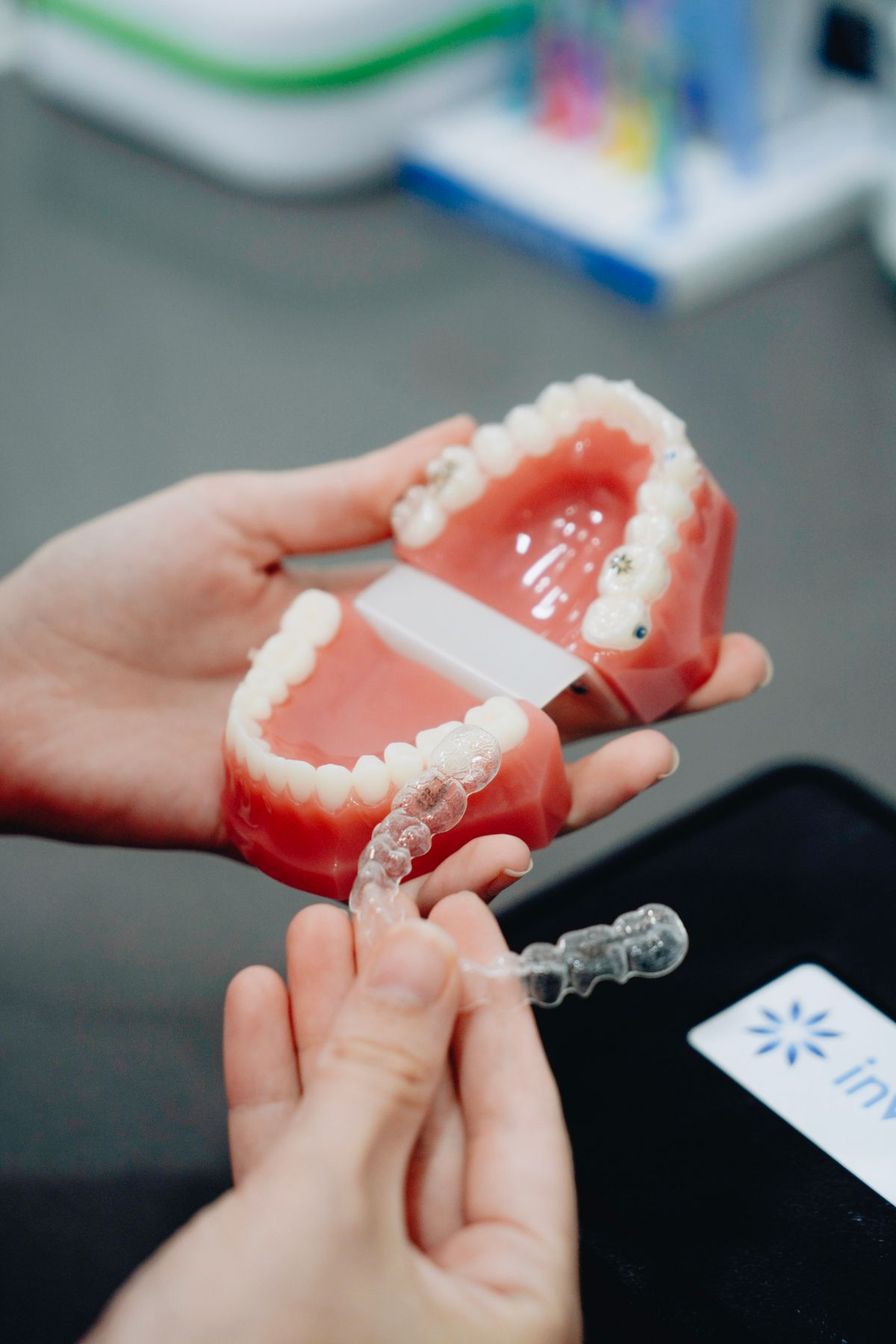
- Clear plastic retainers (similar to a single Invisalign tray), removable and nearly invisible
- Hawley retainers, a wire-and-acrylic removable retainer that's more durable and adjustable but more visible
- Fixed (bonded) retainers, a thin wire permanently bonded behind the front teeth, requiring no daily compliance but needing careful flossing around it
The realistic wear schedule
Most patients wear a removable retainer full-time (aside from eating and brushing) for the first few months, then transition to nights-only for a much longer stretch — often indefinitely, since the alternative is a real risk of gradual relapse. A fixed retainer, once bonded, is simply left in place and doesn't require a wear decision at all.
What happens if you stop wearing it
Relapse can begin within months of stopping retainer wear, and it tends to happen gradually enough that it's not obvious until it's already noticeable. If a retainer no longer fits after a gap in wear, don't force it — a forced-in retainer can actually move teeth in an uncontrolled way. Call us instead; sometimes a new retainer or a short course of aligners can recapture lost ground.
Caring for your retainer
- Clean it daily with a soft brush and lukewarm water — hot water can warp plastic retainers
- Store it in its case whenever it's out of your mouth, since retainers are a very common casualty of napkins and trash cans
- Bring it to checkups so we can confirm it still fits properly
If your retainer no longer fits, don't force it — call us, or see our orthodontics page for more on treatment and aftercare.