Mouthwash occupies a strange spot in most people's routines — added because it feels like it should help, without much clarity on what it's actually doing. The short version: it's a helpful addition for specific goals, but it never replaces brushing and flossing, which do the mechanical work mouthwash can't.
What mouthwash can and can't do
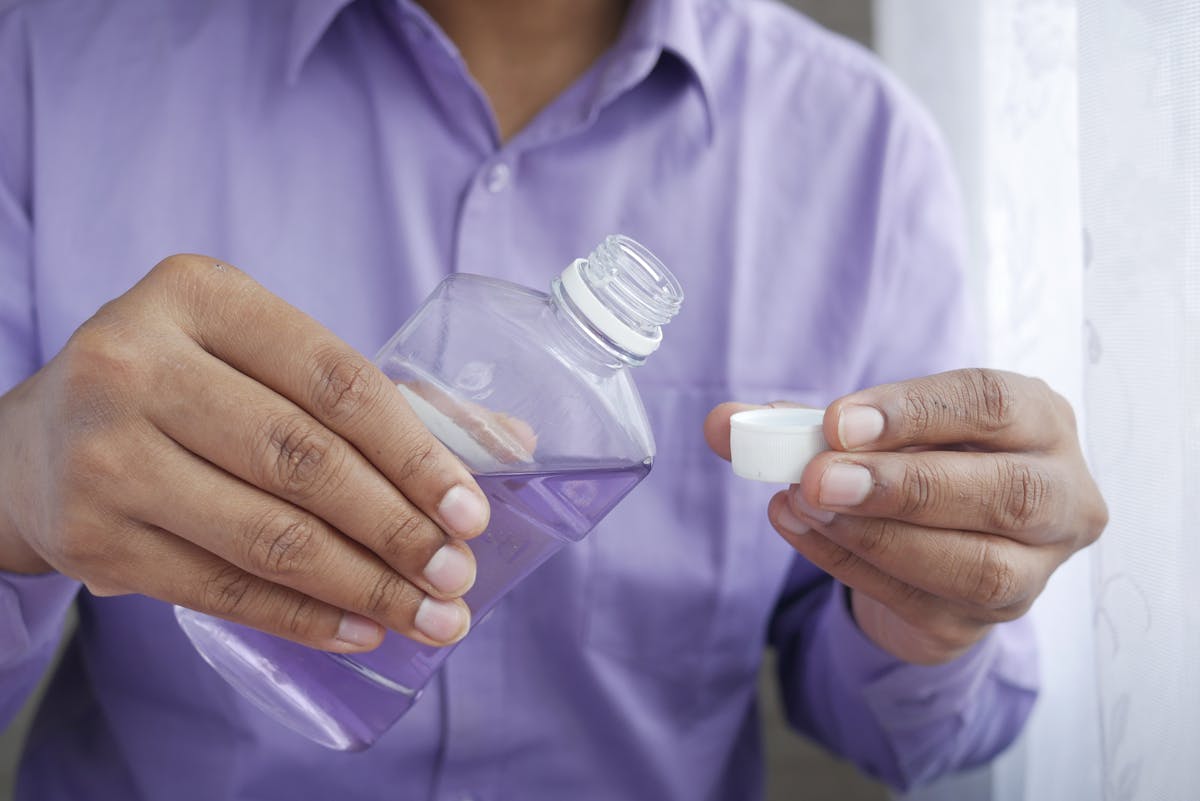
Rinsing alone cannot remove plaque stuck to your teeth the way brushing and flossing do — it simply isn't mechanical enough. What it can do well is reach areas a brush might miss, deliver active ingredients like fluoride directly to your enamel, and temporarily reduce the bacteria that cause bad breath. Think of it as a supplement to your routine, not a replacement for any part of it.
Fluoride rinses
A fluoride mouthwash adds an extra layer of cavity protection beyond fluoride toothpaste, and we often recommend it specifically for patients who are cavity-prone, wear braces, or have a history of dry mouth. Use it at a different time than brushing so you're not immediately rinsing away the fluoride from your toothpaste.
Antiseptic rinses
Antiseptic rinses containing chlorhexidine or essential oils reduce the bacteria responsible for gingivitis and bad breath. Chlorhexidine is typically prescription-strength and used short-term after certain procedures, since long-term use can stain teeth; over-the-counter essential-oil rinses are gentler and fine for daily use.
Do you actually need it?
- If you brush and floss thoroughly twice daily and have no cavity history or gum issues, mouthwash is optional, not essential
- If you're cavity-prone, a fluoride rinse is a reasonable, low-effort addition
- If you have ongoing bad breath despite good hygiene, an antiseptic rinse (and a chat with us about the underlying cause) can help
- If you have dry mouth, look specifically for an alcohol-free formula — alcohol-based rinses can make dryness worse
If you're not sure which type fits your situation, bring the question to your next cleaning — we can point you toward something genuinely useful rather than whatever's on sale at the pharmacy.
Not sure which type fits your mouth? Bring the question to your next preventative care visit.