“Root canal” might be the two scariest words in dentistry — which is a shame, because the procedure itself has come a long way from its reputation. The real danger isn't the treatment; it's waiting too long to get one. Left untreated, an infected tooth doesn't heal on its own, and the discomfort tends to escalate until an emergency visit becomes unavoidable. Here's what to watch for, and what actually happens once you're in the chair.
The seven warning signs
- Lingering sensitivity to hot or cold that stays for more than a few seconds after the stimulus is gone
- Sharp or throbbing pain when you chew or bite down
- A tooth that has darkened or grayed compared to its neighbors
- Swollen, tender, or “bubbly” gum tissue near a specific tooth
- A recurring pimple-like bump on the gum that drains and returns
- Pain intense enough to wake you up at night
- Tenderness when the tooth is tapped or when lying down increases blood flow to the area
Any one of these on its own isn't necessarily an emergency, but a combination — especially lingering sensitivity plus pain on chewing — is a strong signal that the nerve inside the tooth is inflamed or infected. The sooner it's evaluated, the more likely we can save the natural tooth rather than move to extraction.
Why the “root canals are painful” myth persists
The myth traces back to a time before reliable local anesthesia and rotary instruments existed. Today, the discomfort that put root canals on the cultural blacklist is almost always caused by the infection itself — the pain that brought the patient in the door in the first place — not the treatment that resolves it. Most patients tell us the procedure feels roughly like getting a deep filling.
What actually happens in the chair
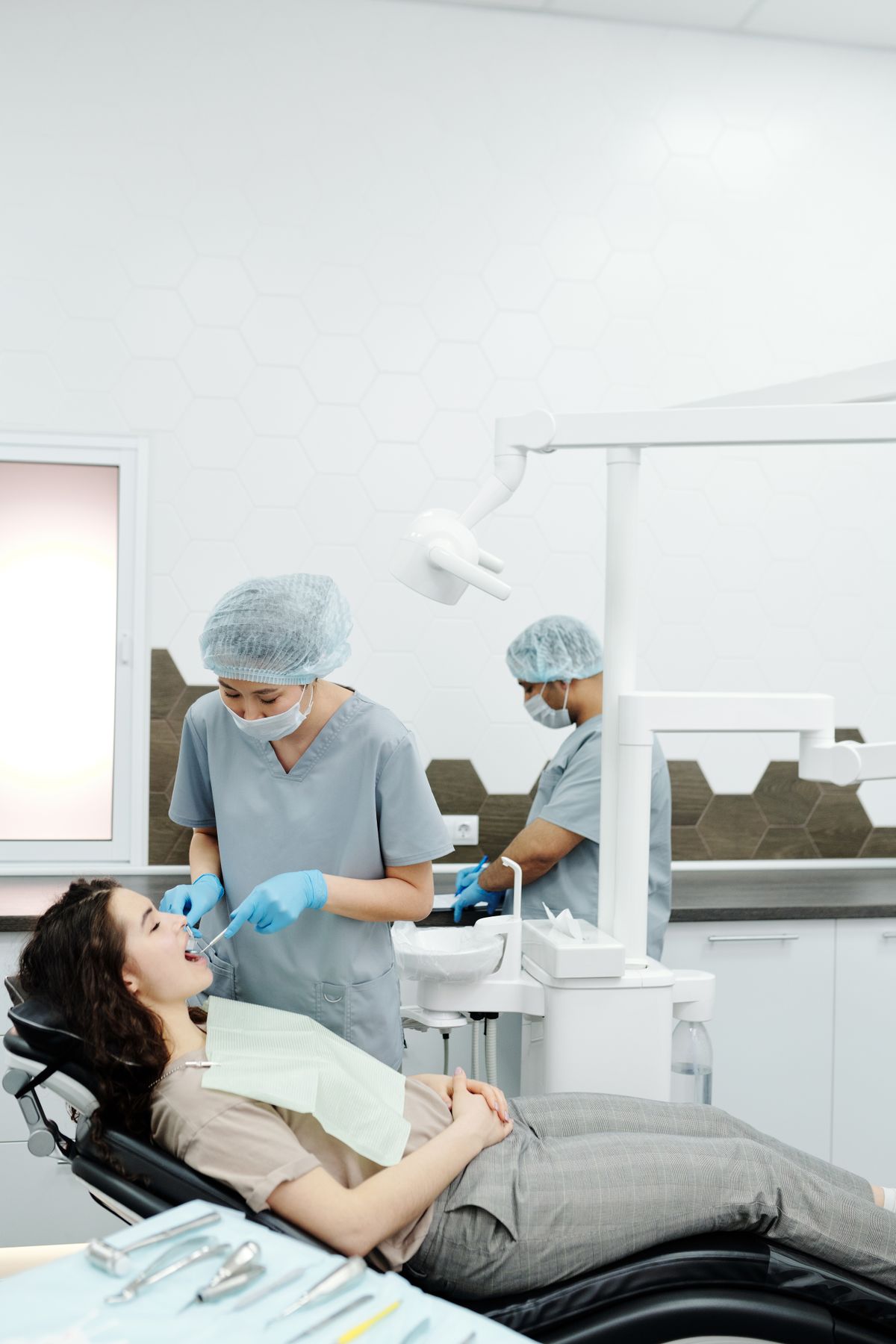
We numb the area thoroughly, then use a high-magnification microscope and an electronic apex locator to precisely map the canal system inside the tooth's root. Nickel-titanium rotary instruments clean out the inflamed or infected pulp tissue and shape the canal, which is then disinfected and sealed with a biocompatible material. Most root canals are completed in a single 60–90 minute visit.
After your root canal
The treated tooth is more brittle without its pulp, so we typically recommend a custom crown within a few weeks to protect it from fracturing under normal chewing pressure. Mild tenderness for a couple of days is normal; anything beyond that, or new swelling, is worth a quick call.
If any of the signs above sound familiar, don't wait for the pain to peak at 9pm on a Friday. A same-week evaluation is almost always faster, cheaper, and far more comfortable than an emergency visit.
If any of these signs sound familiar, our endodontics team can evaluate the tooth and walk you through your options.