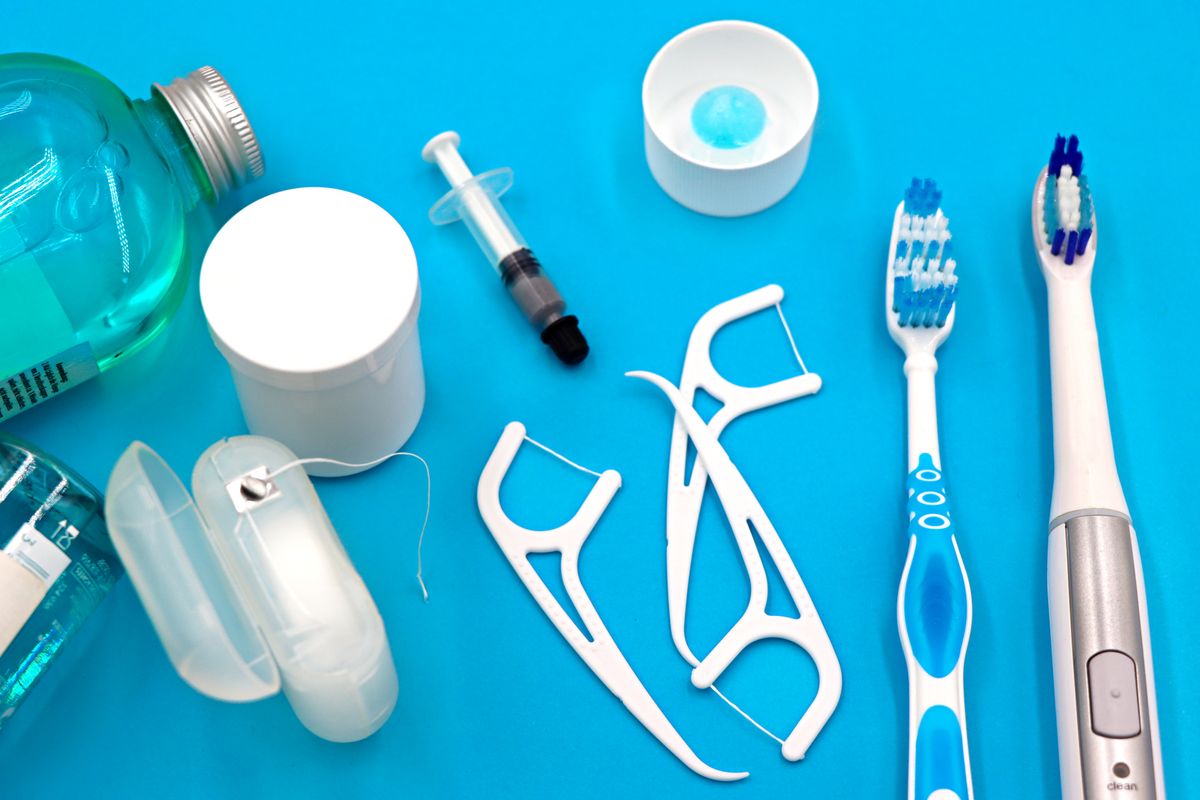
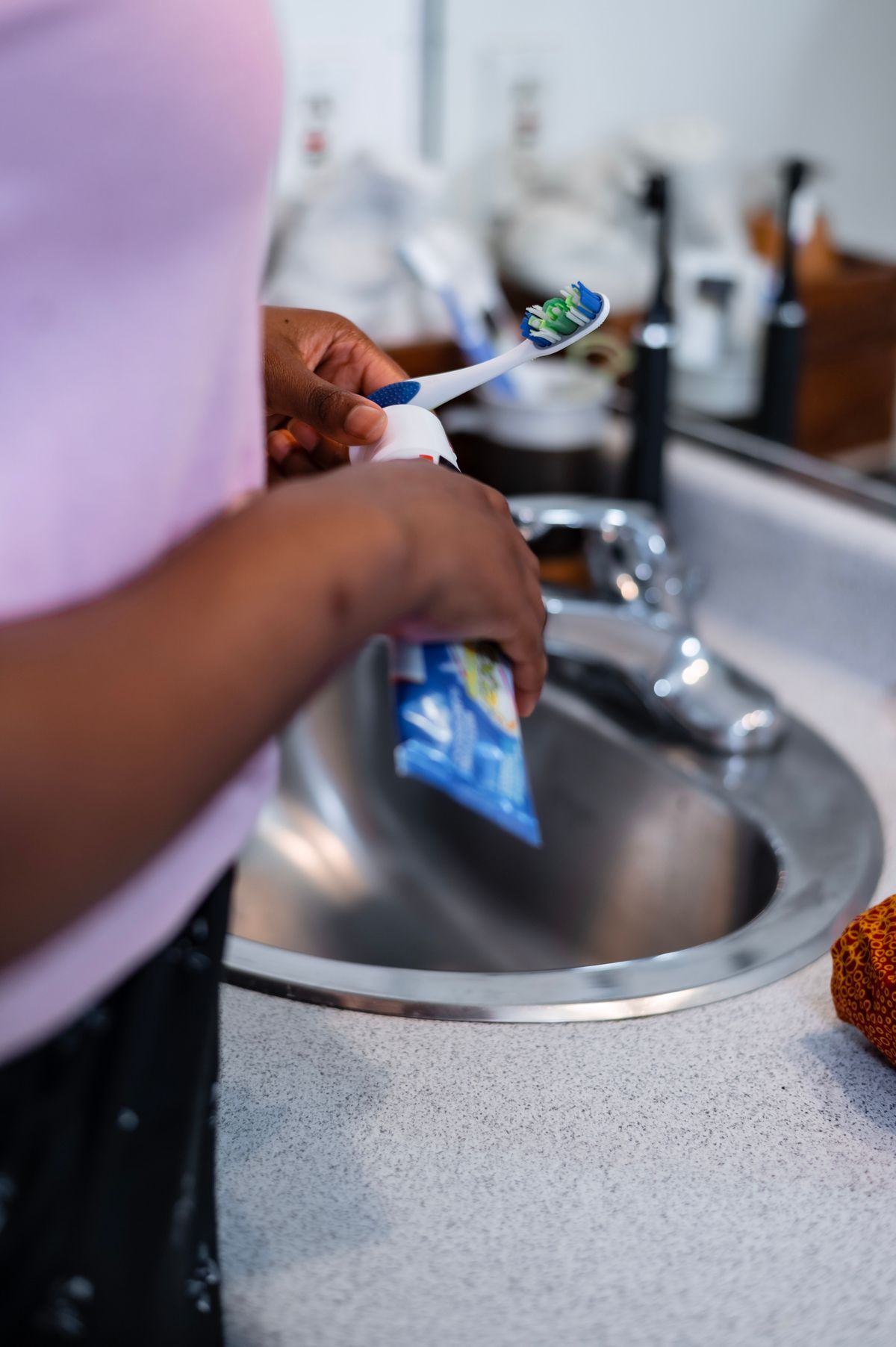
Patients ask us this constantly, usually expecting a strong opinion one way or the other. The honest answer is more nuanced: electric brushes give a modest, measurable edge for plaque removal, but a manual brush used well will always outperform an electric brush used poorly.
What the evidence actually shows
Studies comparing oscillating-rotating electric brushes to manual brushes generally find a small but real reduction in plaque and gum inflammation with electric brushes over time — not a dramatic difference, but a consistent one. The advantage seems to come less from raw power and more from built-in timers and pressure sensors that correct two of the most common brushing mistakes: not brushing long enough, and brushing too hard.
Where electric brushes genuinely help
- Built-in two-minute timers (often with 30-second quadrant alerts) fix the single most common brushing mistake: stopping too soon
- Pressure sensors that alert or pause when you're pressing too hard help prevent gum recession over years of brushing
- The oscillating motion does some of the work for you, which helps patients with limited hand dexterity or arthritis
- Replaceable brush heads make it easier to notice and replace worn bristles on schedule
Where a manual brush is perfectly fine
If you already brush for a full two minutes twice a day with a soft-bristled brush and gentle pressure, a manual brush will get you excellent results. Cost is a real factor too — a quality manual brush and toothpaste cost a fraction of an electric system, and the difference in outcomes for a careful brusher is small.
The mistakes that matter more than the brush
- Brushing for less than two minutes
- Using a firm or medium bristle brush instead of soft
- Scrubbing hard side-to-side instead of small gentle circles
- Skipping the gumline, where plaque accumulates fastest
- Not replacing the brush or head every three months
If you're brushing carefully and consistently, either option works well. If you've struggled with timing, pressure, or consistency, an electric brush's built-in guardrails can make good technique closer to automatic.
Whichever brush you choose, a routine cleaning is still what catches what daily brushing misses — more on our preventative care page.