
Persistent bad breath, or halitosis, is uncomfortable to bring up but extremely common — and in the vast majority of cases, it traces back to something specific and fixable in the mouth, not a mystery that mints can solve.
The bacteria behind the smell
Most bad breath comes from sulfur compounds released by bacteria breaking down food particles, dead cells, and mucus on your tongue, gums, and between your teeth. The back of the tongue is the single biggest contributor, which is why brushing teeth alone often isn't enough to solve it.
The most common causes
- A coated tongue, where odor-causing bacteria accumulate on the rough surface at the back
- Gum disease, which harbors bacteria beneath the gumline that regular brushing can't reach
- Dry mouth, since saliva normally washes away odor-causing bacteria and food debris
- Untreated cavities or old, poorly sealed fillings that trap food and bacteria
- Certain foods (garlic, onions, coffee) that release odor compounds absorbed into the bloodstream
- Sinus infections or post-nasal drip, which introduce bacteria into the mouth from above
What actually works
- Gently brushing or scraping your tongue daily, focusing on the back third where most odor originates
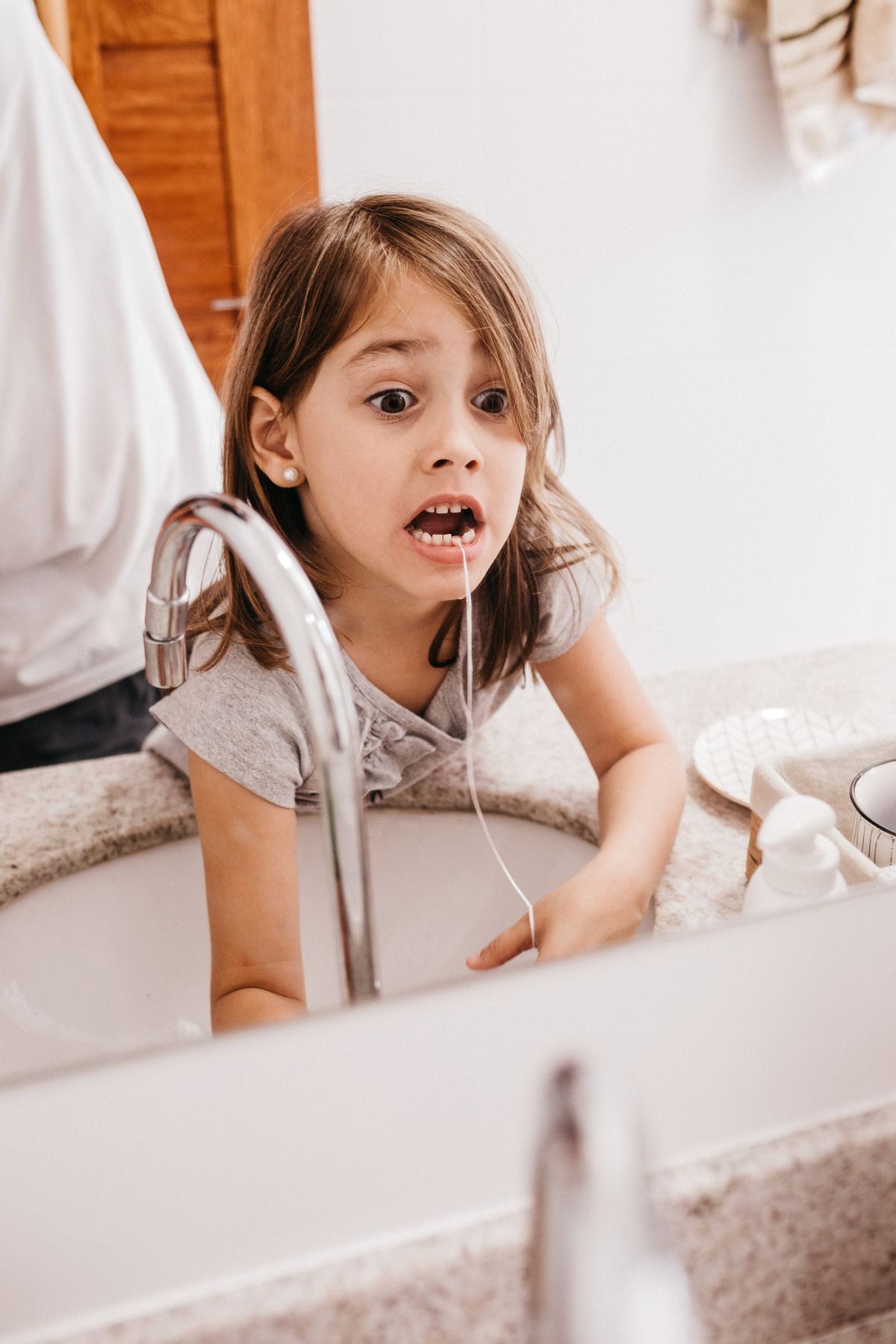
- Flossing daily to remove trapped food and plaque between teeth, not just visible surfaces
- Staying hydrated throughout the day to keep saliva flow normal
- An antiseptic mouthwash to reduce bacteria counts, used alongside — not instead of — brushing and flossing
- Treating any active gum disease, which won't resolve with home care alone
When it's worth a dental visit
If breath stays persistently bad despite solid daily hygiene, it's often a sign of gum disease or a cavity that needs professional treatment rather than better home care. A cleaning and exam can identify whether the cause is dental or whether it's worth checking with your physician for a sinus, digestive, or other medical cause.
Bad breath is rarely permanent and almost never mysterious once someone actually looks — most patients are relieved to find the fix is more straightforward than they feared.
If breath stays persistently off despite good hygiene, a preventative care visit can identify whether the cause is dental.