3D printing has quietly become one of the more practical technologies in modern dentistry, turning appliances that once took weeks at an outside lab into something that can sometimes be produced in-office within hours.
What's actually being printed
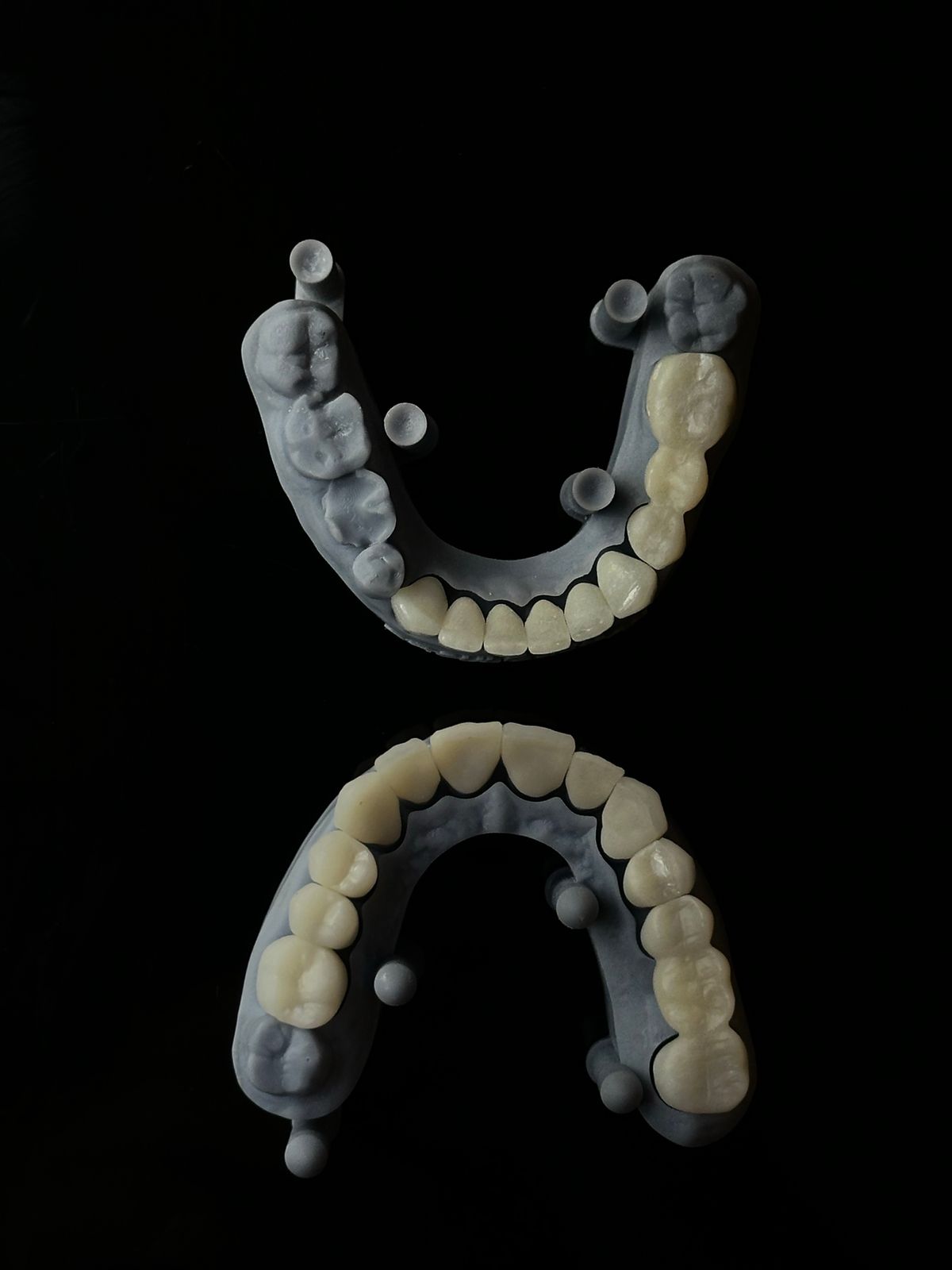
- Custom night guards for teeth grinding, fitted from a digital scan of your bite
- Surgical guides for implant placement, which precisely map the planned position and angle for each implant
- Models used to plan orthodontic treatment or fabricate retainers
- Temporary crowns and bridges while a final restoration is being made
Why speed matters beyond convenience
For a night guard or retainer, faster turnaround simply means less waiting. But for surgical guides used in implant placement, the benefit is precision as much as speed — a guide printed from your exact 3D scan lets us place an implant at the planned depth and angle with far more accuracy than freehand placement, which reduces surgical time and improves predictability.
How the process works, start to finish
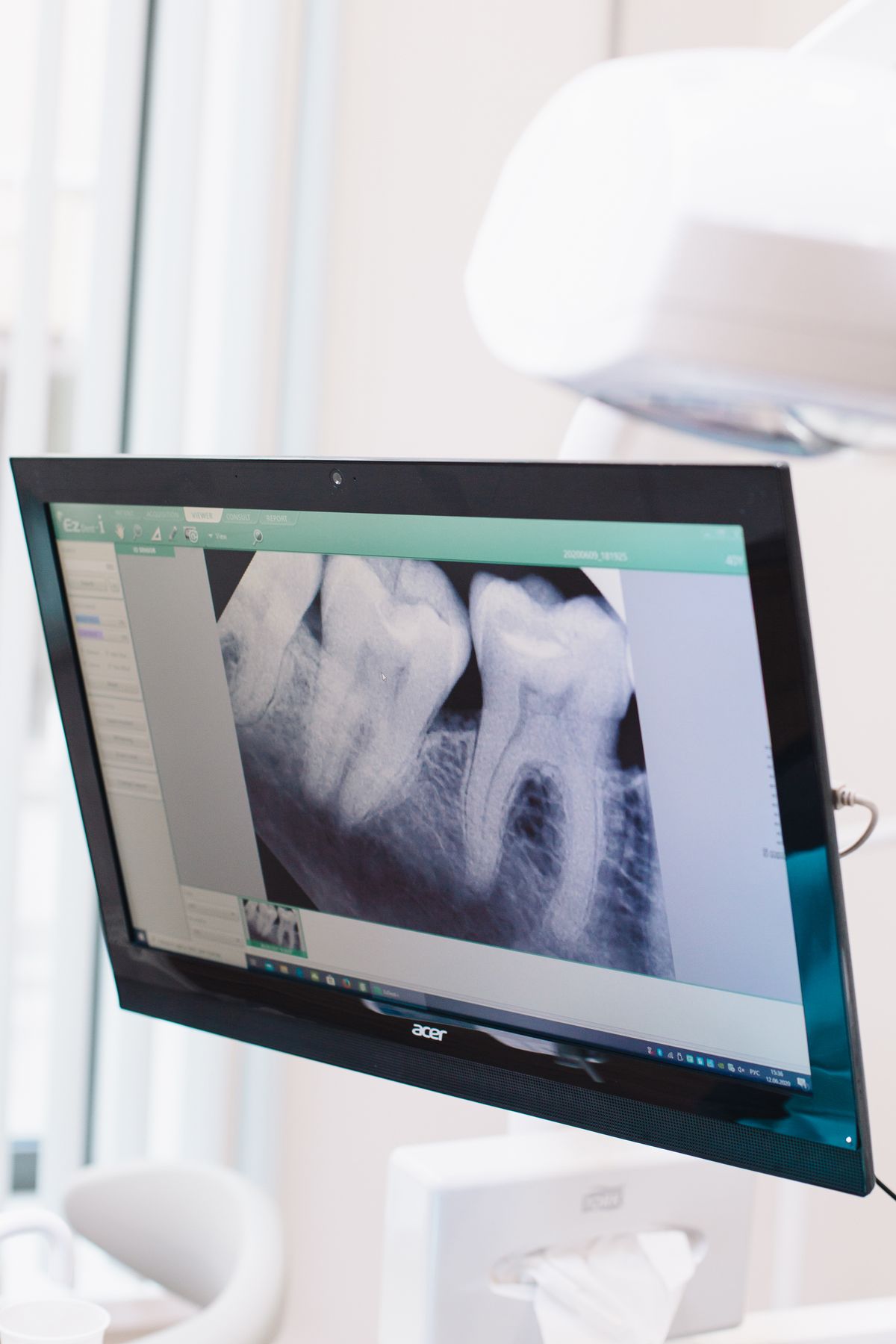
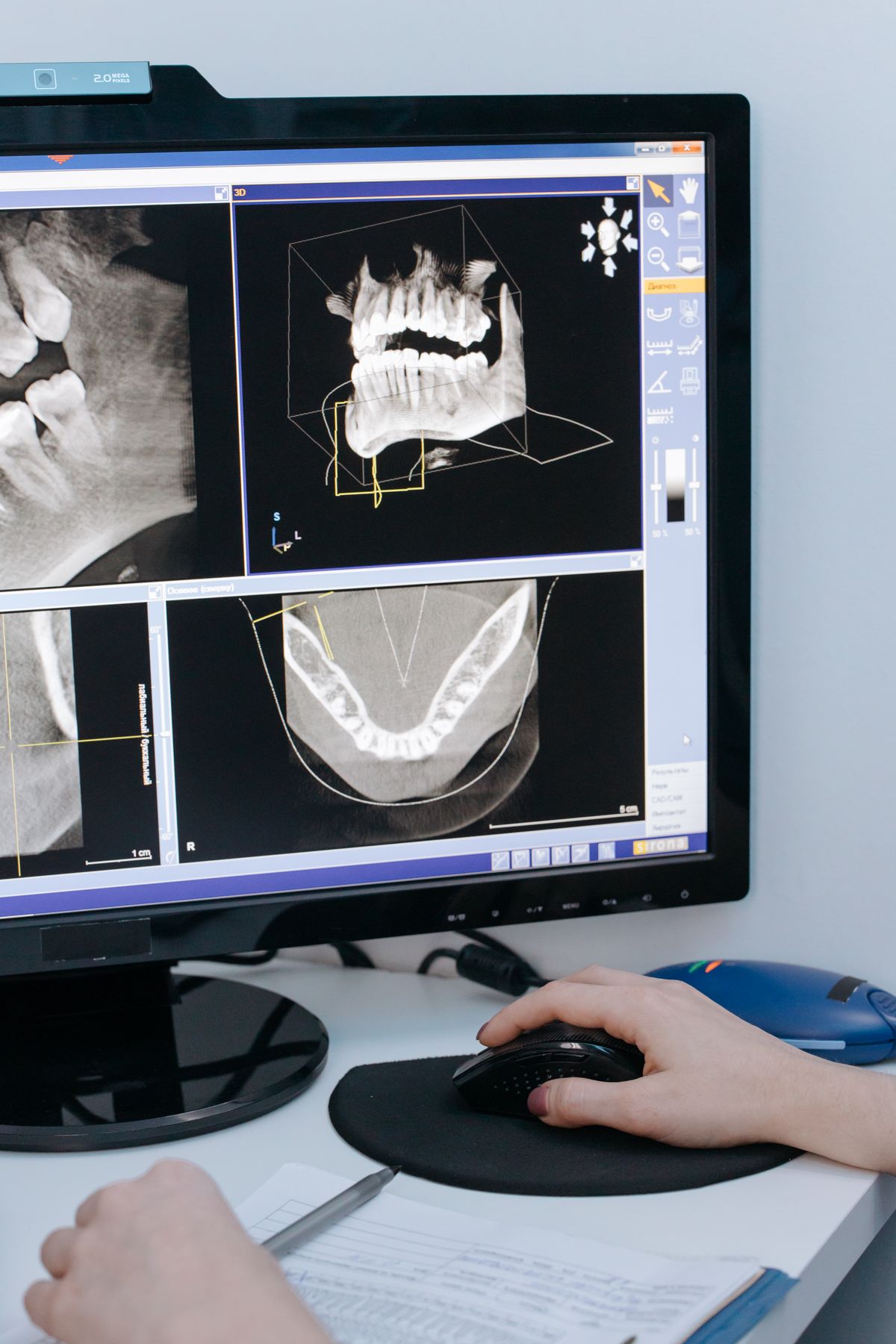
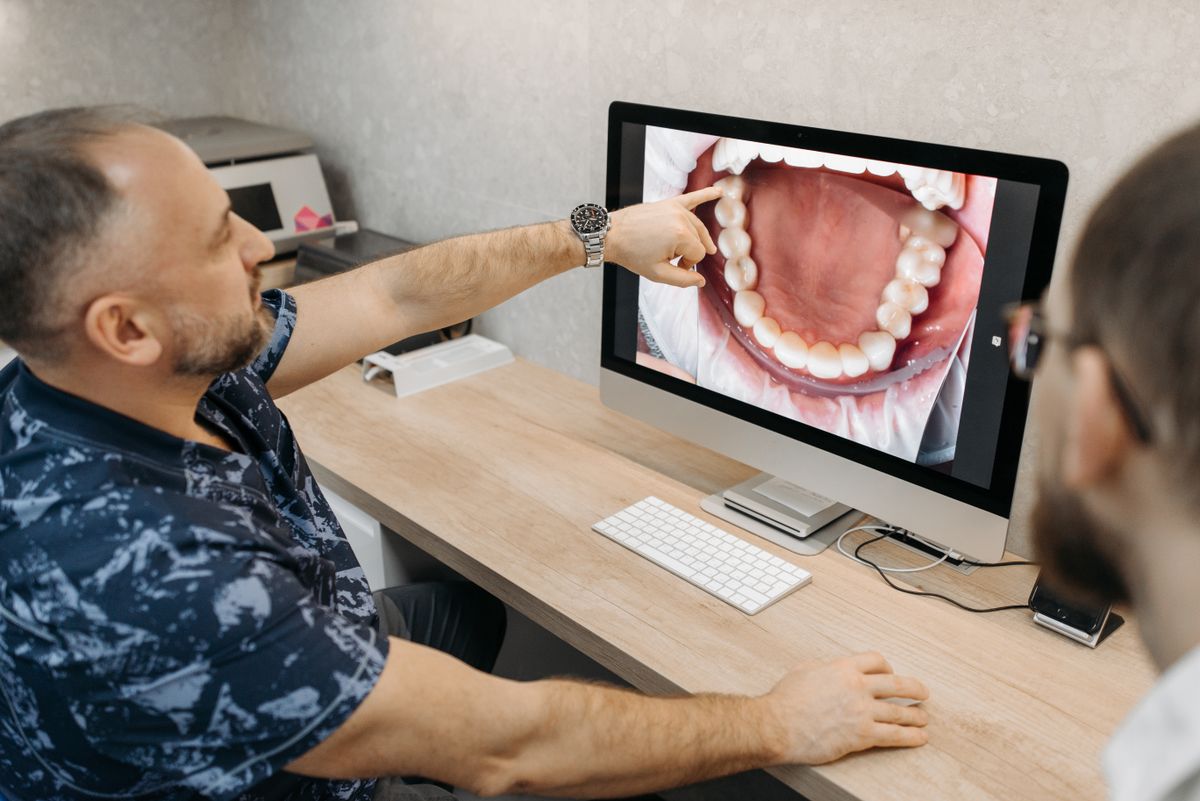
It starts the same way most digital dentistry does now — a 3D intraoral scan or CBCT scan captures your exact anatomy. Design software then builds the specific appliance or guide, which is sent to a 3D printer that builds it layer by layer from a biocompatible resin, typically finished and cured within a couple of hours depending on complexity.
Is a 3D-printed appliance as durable as a traditionally made one?
Modern dental-grade printing resins are specifically formulated for durability and are well-suited to night guards, surgical guides, and temporary restorations. For a long-term retainer or permanent crown, traditional milled or lab-fabricated materials are often still preferred for maximum longevity — we'll recommend whichever approach best fits the specific appliance you need.
This technology is a good example of how digital dentistry compounds on itself — the same 3D scan used for a crown or aligner plan can often be repurposed to print a night guard or surgical guide without an entirely separate appointment.
From night guards to surgical guides, see our technology page for how these tools fit into your care.