For decades, a dental impression meant biting into a tray of thick, gritty putty and holding still while it set — an experience that made more than a few patients gag or dread the process entirely. An intraoral scanner replaces all of that with a small wand and a camera.
How it actually works
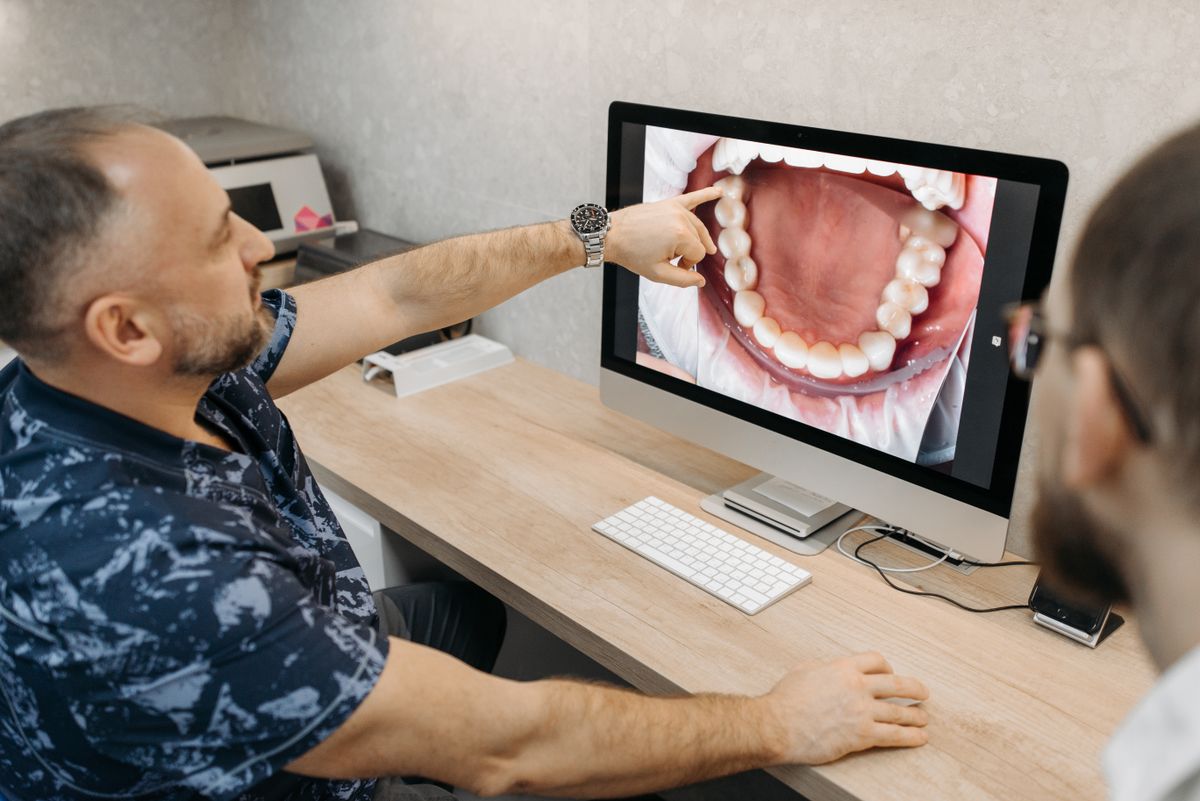
The handheld scanner captures thousands of images per second as it's gently passed over your teeth and gums, stitching them together in real time into a precise 3D digital model displayed on a monitor you can watch as it builds. There's no material to bite into, nothing to hold in your mouth, and nothing that needs time to set.
Why it's more comfortable
- No gag-inducing trays or putty, especially helpful for patients with a strong gag reflex
- No waiting several minutes holding still while material hardens
- Can be paused and resumed at any point without starting over, unlike a traditional impression
- No unpleasant taste or texture in your mouth afterward
It's also more accurate
Traditional impressions can distort slightly during removal, setting, or shipping to a lab, introducing small inaccuracies into the final restoration. A digital scan captures your exact anatomy with no material to shrink, warp, or bubble, which translates to a more precise fit for crowns, aligners, and other custom appliances.
What it's used for
- Planning Invisalign and other clear aligner treatment
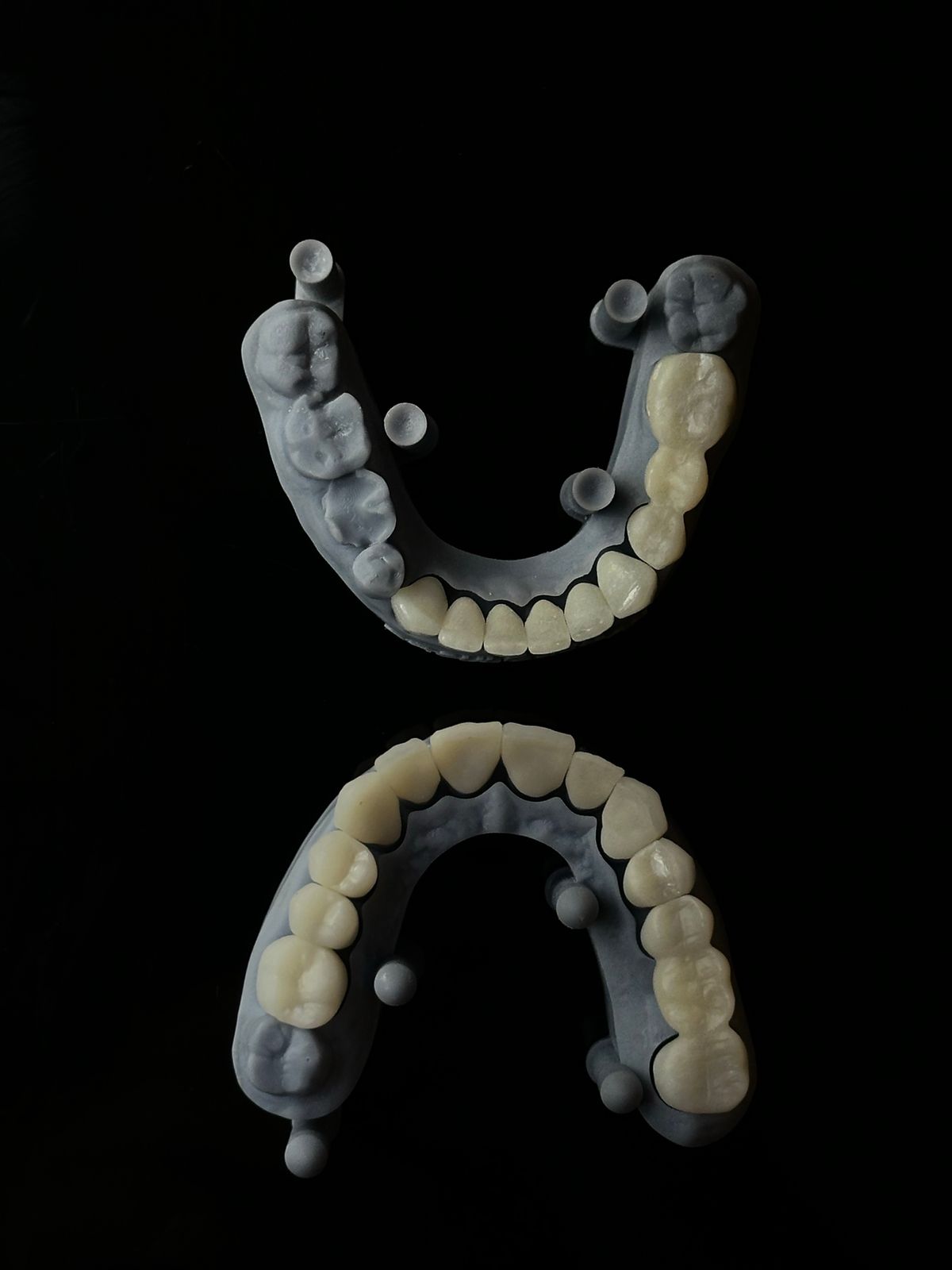
- Designing crowns, veneers, and other restorations
- Digital smile design previews
- Tracking subtle changes in your teeth and bite over successive visits
A faster trip to the lab, too
Digital scans transmit electronically to a lab (or an in-office milling machine) within minutes of being captured, compared to physically shipping a putty impression, which shaves real time off treatments like crowns and aligners. It's one of those upgrades that improves comfort and precision at the same time, without a trade-off between the two.
This same scanner plans everything from Invisalign to crowns — more on our technology page.