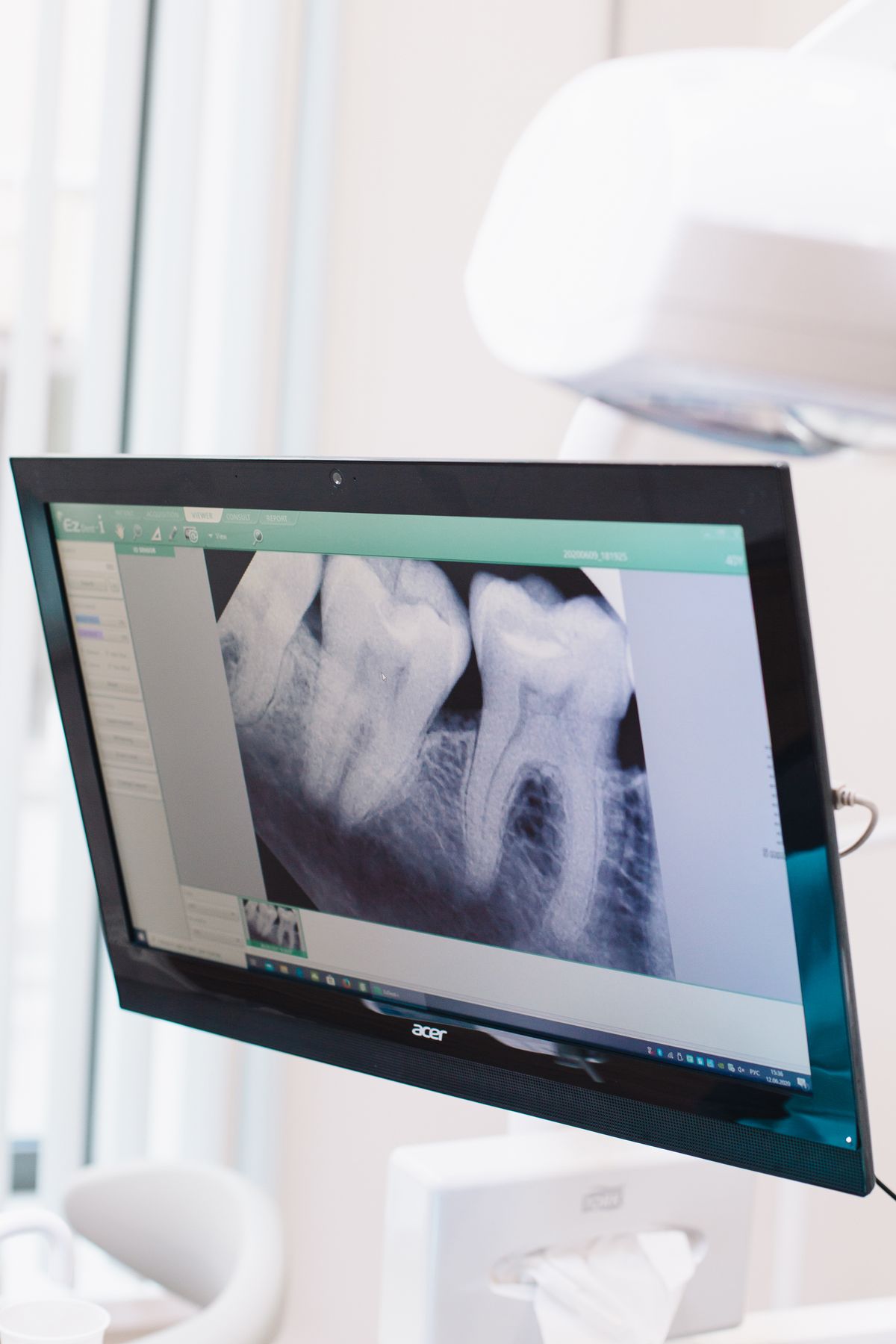
If it's been a while since your last dental visit, you may remember biting down on a stiff piece of film and waiting for it to be developed in a darkroom. Digital sensors have largely replaced that process, and the change is more than just convenience.
The radiation difference
Digital sensors require far less radiation than traditional film to produce a usable image — up to 90% less in many cases. That's a meaningful safety improvement, especially for patients who need X-rays periodically over many years, or for children, whose developing tissue is more sensitive to radiation exposure.
Instant results change what's possible chairside
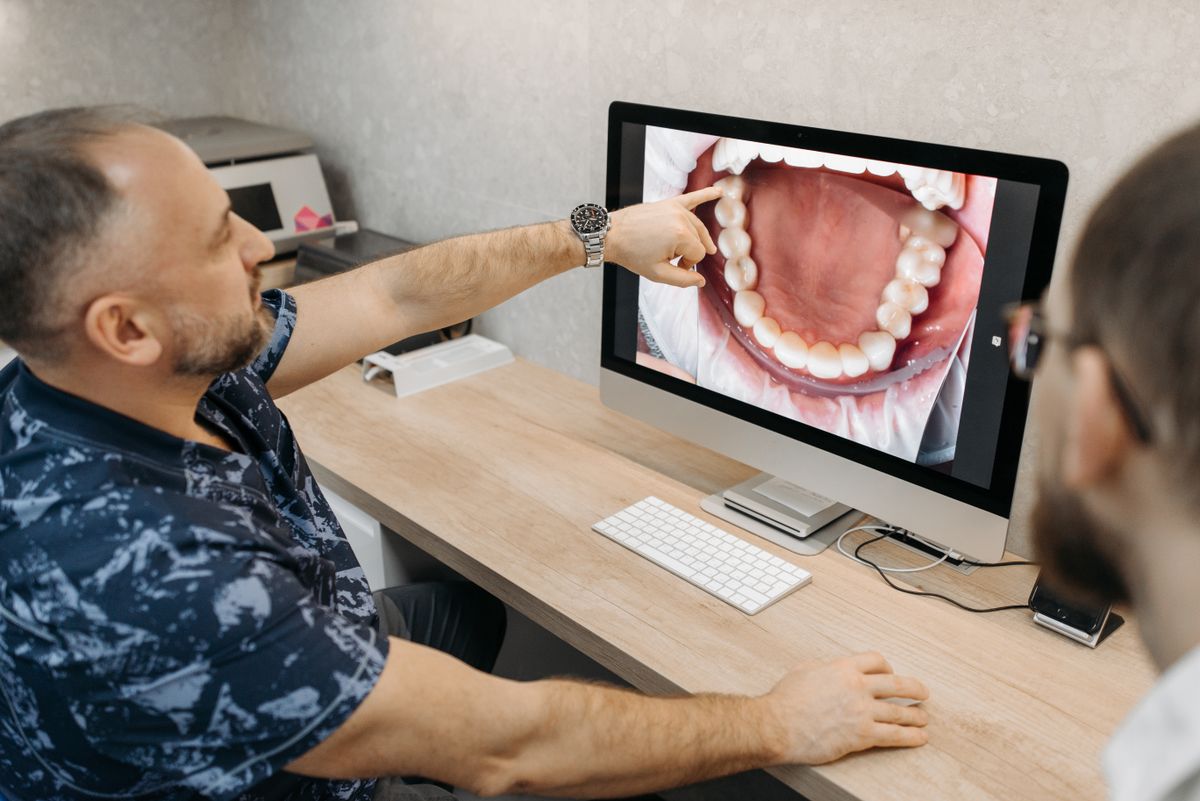
A digital image appears on screen within seconds of capture, rather than several minutes for film to develop. That immediacy means we can review an image with you right in the chair, zoom in on an area of concern, and make decisions in real time rather than waiting on a separate darkroom process.
Better image quality and flexibility
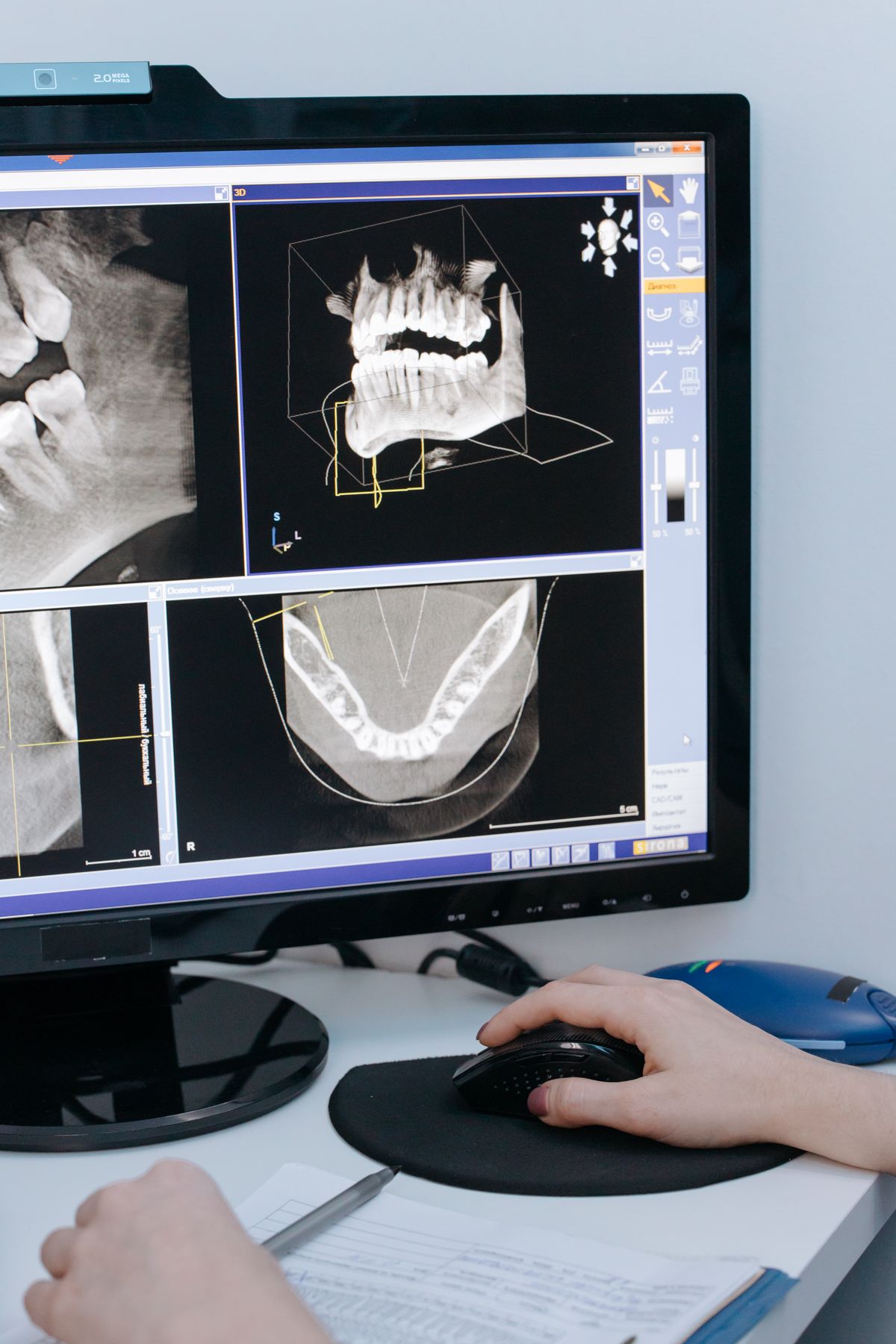
- Digital images can be zoomed, brightened, or contrast-adjusted after capture without needing to retake the X-ray
- Images store instantly in your digital chart, making it easy to compare against previous years to track subtle changes
- Digital files can be shared electronically with specialists or insurance instantly, rather than mailing physical film
- No chemical processing means no darkroom, no chemical waste, and no risk of a poorly developed, unreadable image
Do digital X-rays catch anything film couldn't?
The underlying diagnostic capability — spotting decay between teeth, bone loss, and other changes — is similar between quality digital and film systems. The real advantages of digital are safety (lower radiation), speed, and integration with other modern tools like AI-assisted analysis, which only works with a digital image to begin with.
If it's been several years since you've had X-rays taken, digital imaging makes the process faster and considerably lower-radiation than you might remember.
Digital imaging is one piece of the technology we use every day — see our technology page for the full picture.