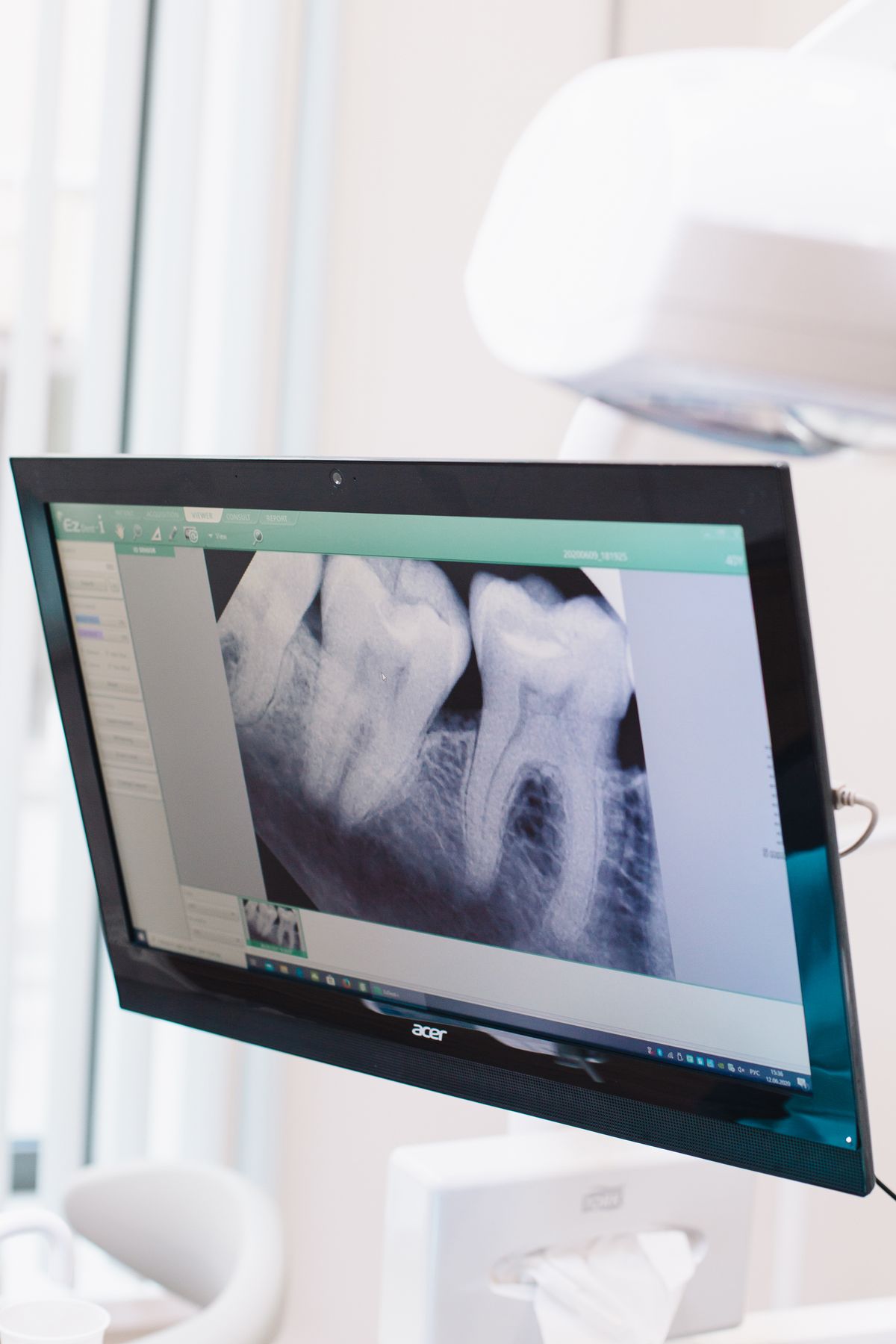
A standard dental X-ray gives a flat, two-dimensional view of your teeth — perfectly useful for spotting cavities and checking bone levels, but limited when a treatment depends on precise three-dimensional detail. That's where cone-beam CT, or CBCT, comes in.
What makes CBCT different from a regular X-ray
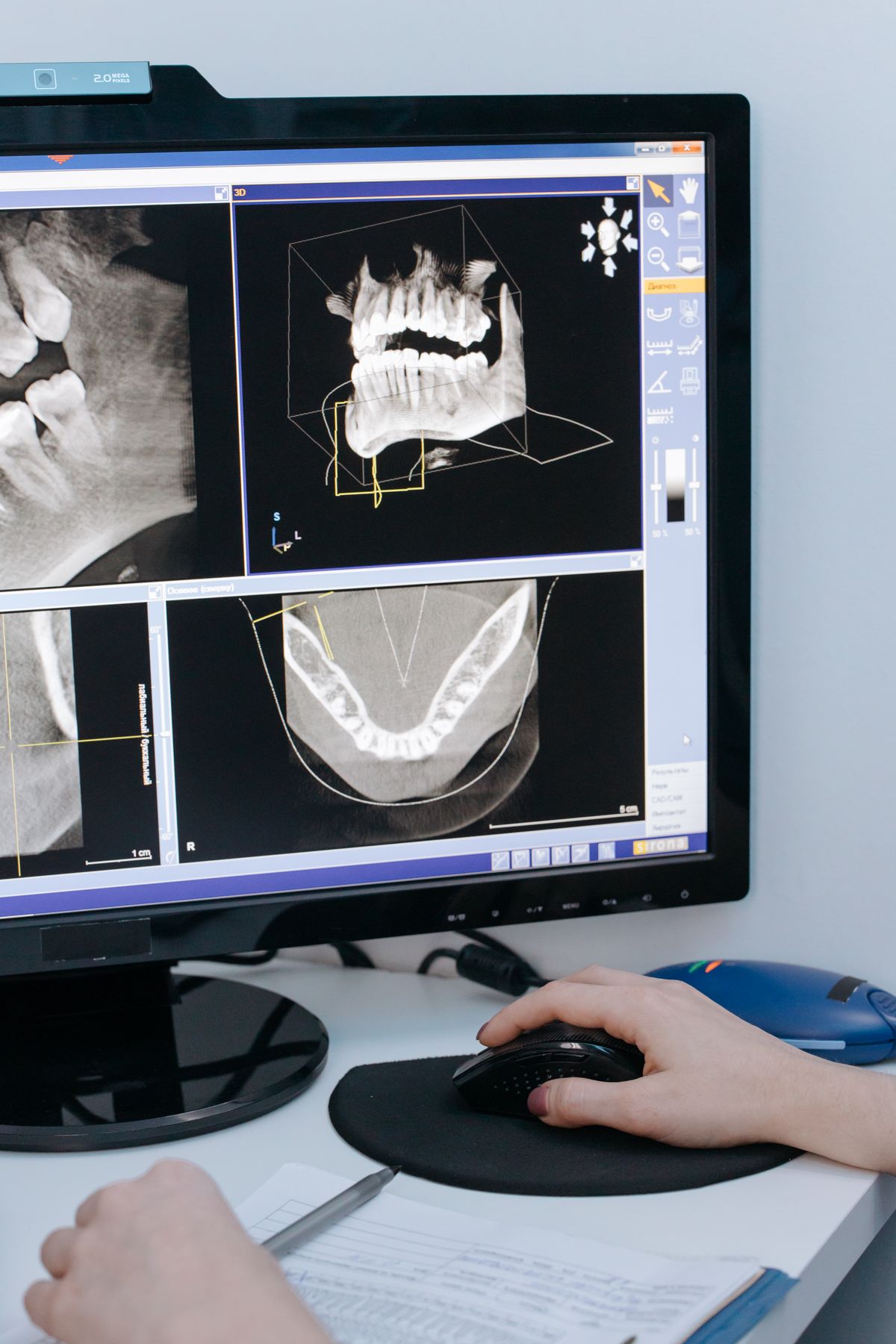
A CBCT scanner rotates around your head, capturing hundreds of images that are reconstructed into a detailed 3D model of your teeth, jawbone, nerves, and sinuses. Instead of one flat image, you get a volume that can be sliced and viewed from any angle — height, width, and depth all visible at once.
When it's actually needed
- Planning dental implant placement, where exact bone density, width, and nerve position must be known in advance
- Evaluating impacted wisdom teeth and their exact position relative to nerves before extraction
- Diagnosing the source of unexplained facial or jaw pain that a flat X-ray can't fully explain
- Assessing complex root canal anatomy that isn't clear on a standard X-ray
- Planning some orthodontic and jaw surgery cases requiring detailed 3D measurements
Is it used for every patient?
No — CBCT involves more radiation than a standard digital X-ray (though still relatively low, and far less than a traditional medical CT scan), so it's reserved for cases where the extra three-dimensional detail genuinely changes the treatment plan, not used routinely for every checkup.
What the scan experience is like
The scan itself takes well under a minute — you stand or sit still while the machine rotates around your head, with no biting into anything required. Results are available immediately afterward for review.
Why it matters for outcomes
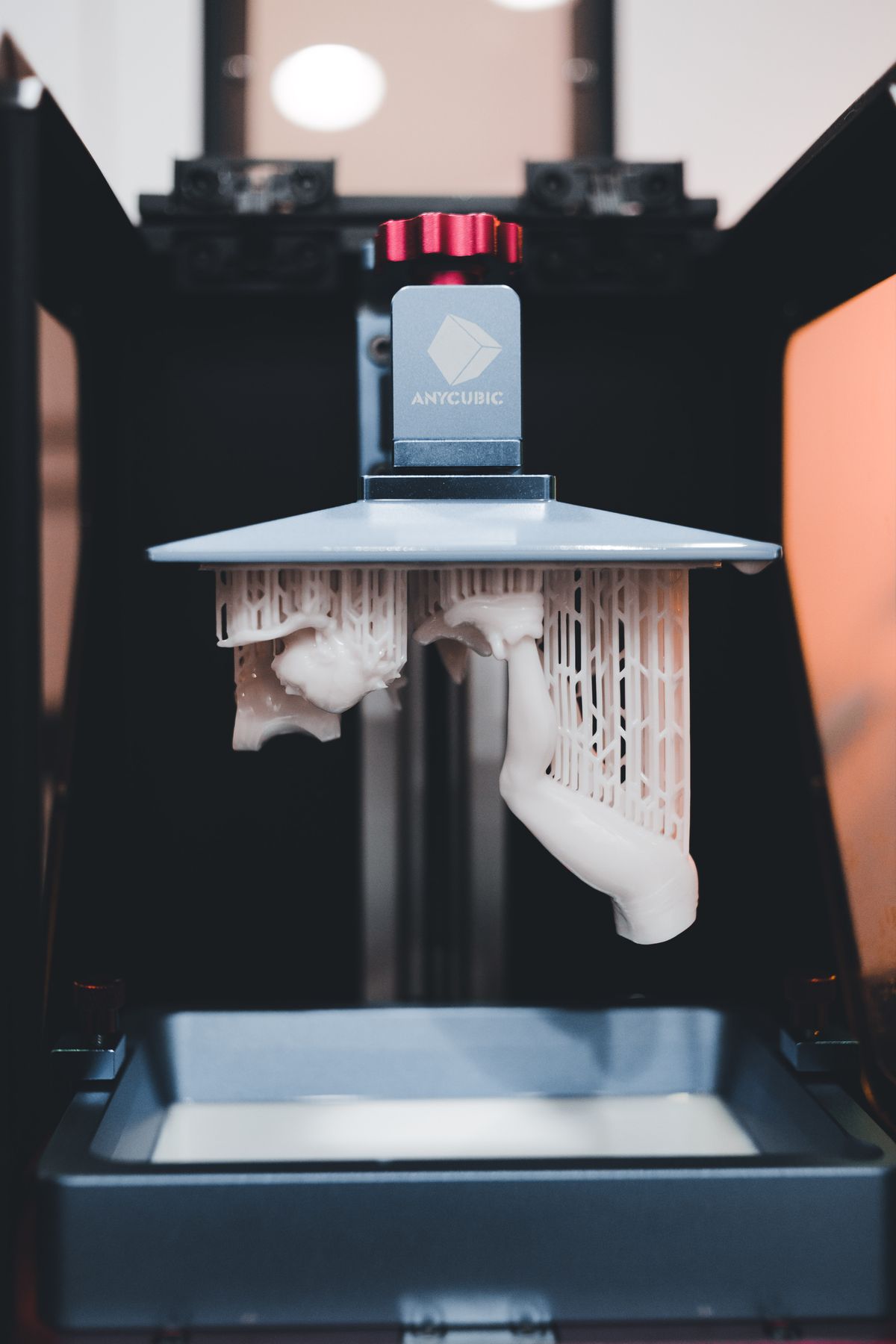
For implant placement in particular, a CBCT scan is what allows for a guided surgical approach with a 3D-printed surgical guide, meaningfully improving precision over placement based on a flat X-ray alone. If your treatment plan includes implants, extractions near nerves, or unexplained pain, a CBCT scan is often the difference between planning with confidence and planning with some educated guesswork.
CBCT imaging is especially central to planning dental implants with precision.