A cracked tooth rarely announces itself with obvious, constant pain right away, which is exactly what makes it easy to ignore — and exactly why ignoring it tends to backfire. Left untreated, most cracks don't stay the same; they slowly progress.
Why cracks don't heal on their own
Unlike bone, a cracked tooth has no ability to repair itself. Every time you bite down, the crack flexes slightly, and that repeated motion tends to extend it deeper over time — similar to bending a paperclip back and forth until it eventually breaks. What starts as a surface crack can gradually reach the nerve.
The early warning signs
- Sharp pain when biting down that disappears quickly afterward
- Sensitivity to hot or cold that comes and goes unpredictably
- Discomfort that's hard to pinpoint to one specific tooth
- A visible line on the tooth surface, sometimes only noticeable under certain light
What happens if it progresses untreated
As a crack deepens, it can eventually reach the pulp — the nerve and blood vessels inside the tooth — leading to infection, more constant pain, and often the need for a root canal that could have been avoided with earlier treatment. In more severe cases, the crack can extend below the gumline, which sometimes means the tooth can't be saved at all and requires extraction.
Treatment gets simpler the earlier it's caught
- Caught early: often just a filling or bonding to stabilize the crack
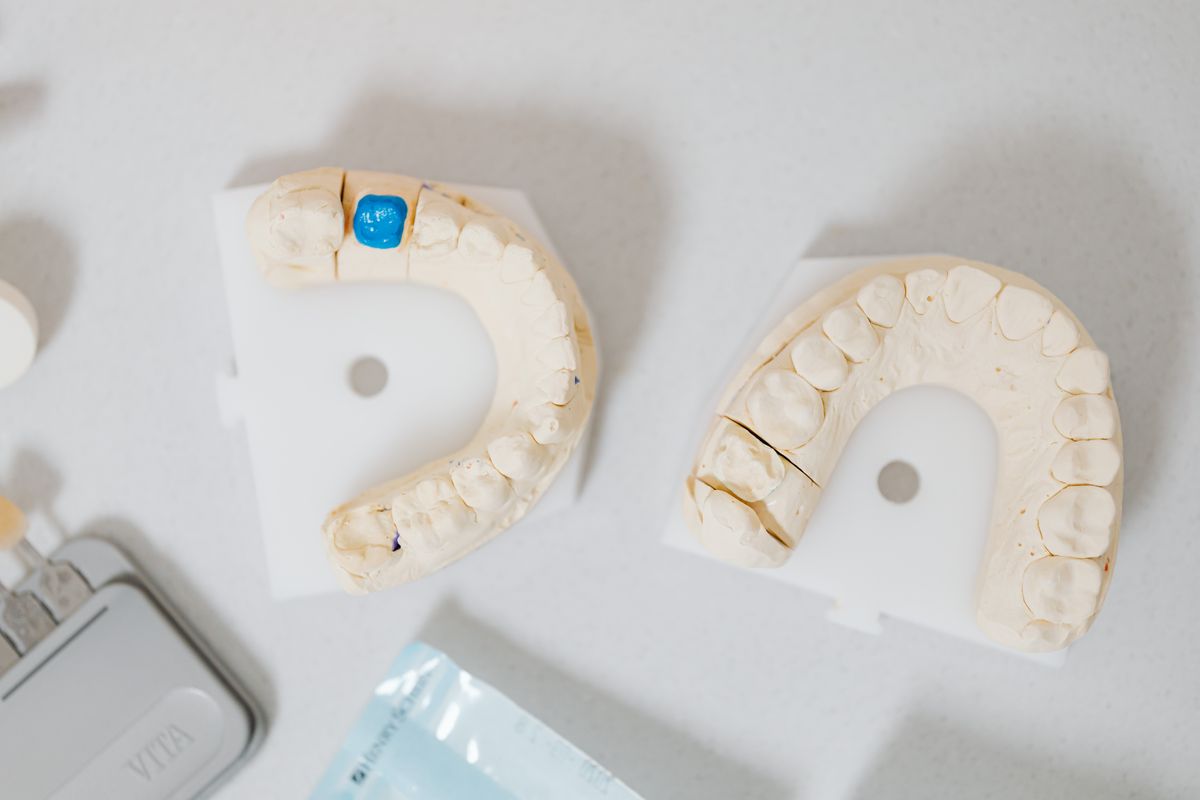
- Moderate progression: typically a crown to protect the tooth from further cracking
- Reaching the nerve: usually a root canal followed by a crown
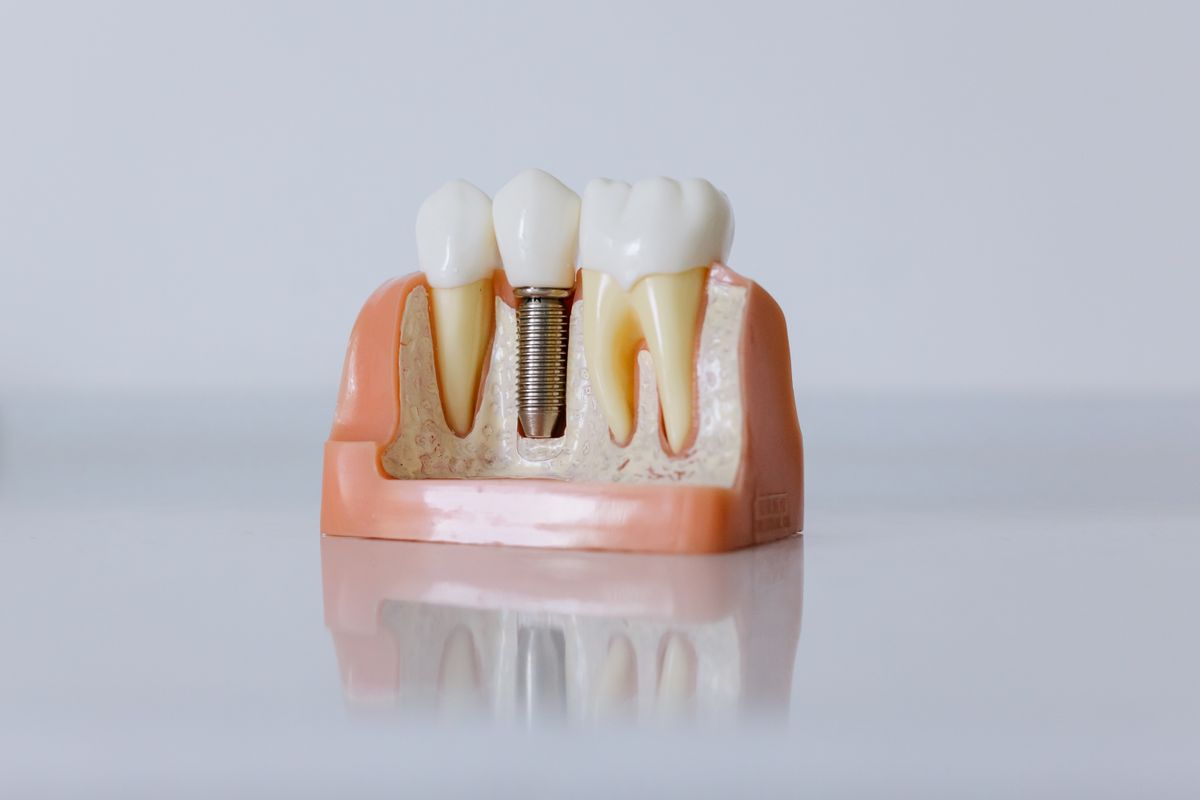
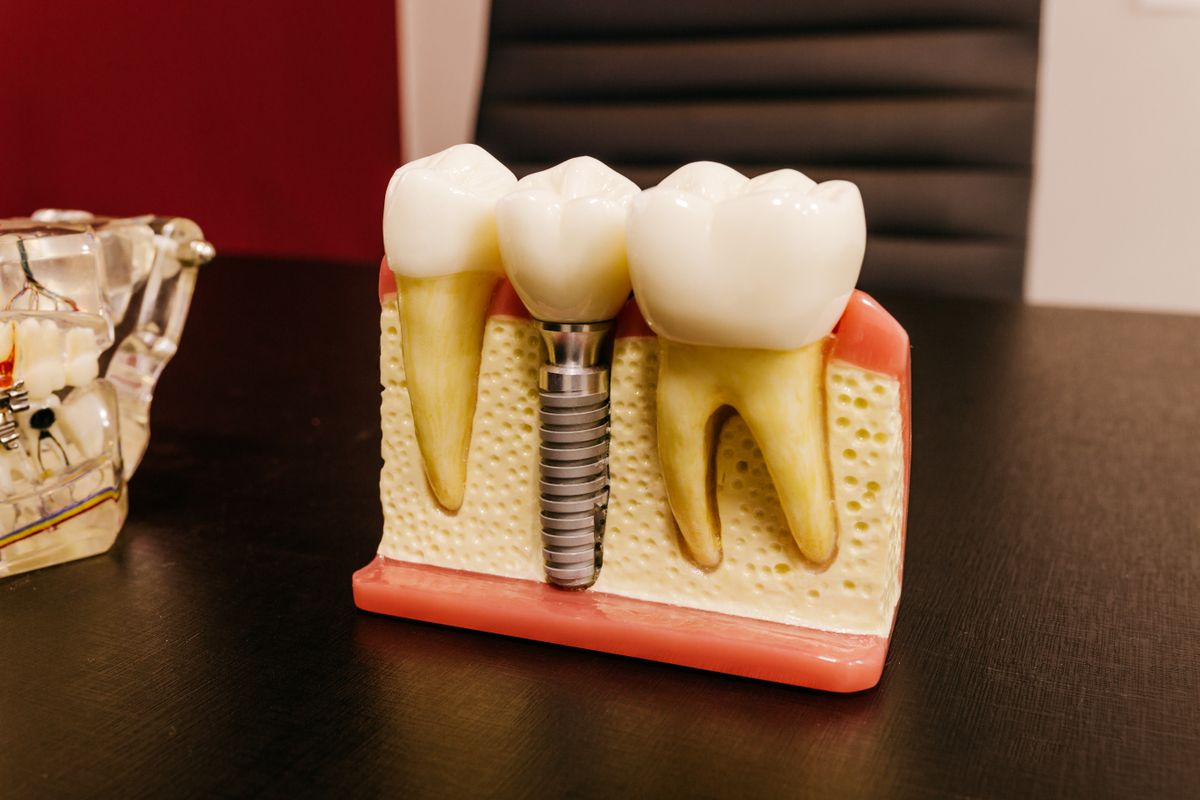
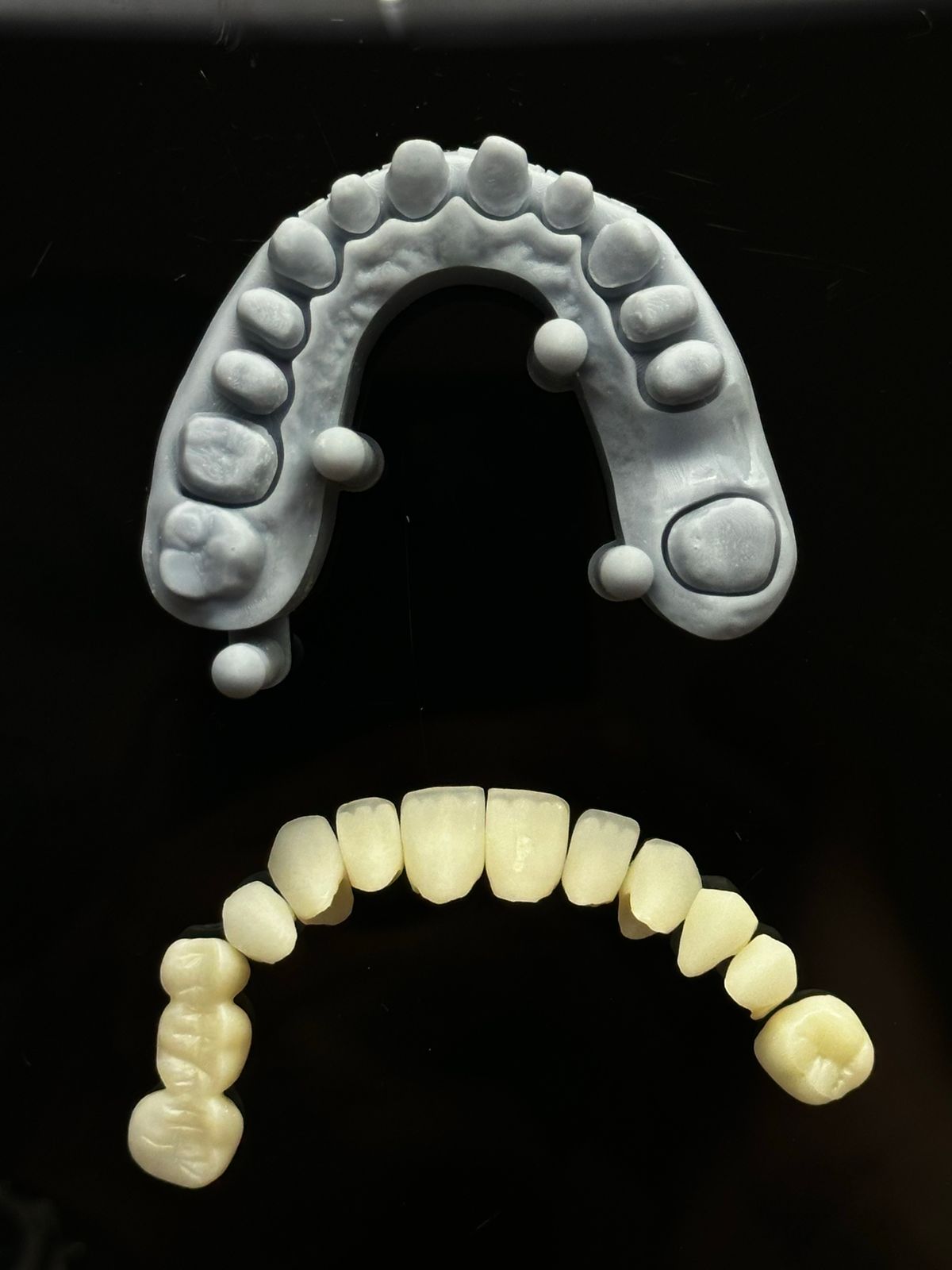
- Advanced, below the gumline: may require extraction and replacement with an implant or bridge
Don't wait for constant pain
The absence of constant pain doesn't mean a crack isn't there or isn't progressing — cracked teeth are notorious for intermittent, hard-to-pinpoint discomfort specifically because they haven't reached the nerve yet. If biting produces a sharp, quick pain on one tooth, it's worth getting checked before that changes.
Treatment gets simpler the earlier it's caught — our restorative care page covers the options at every stage.