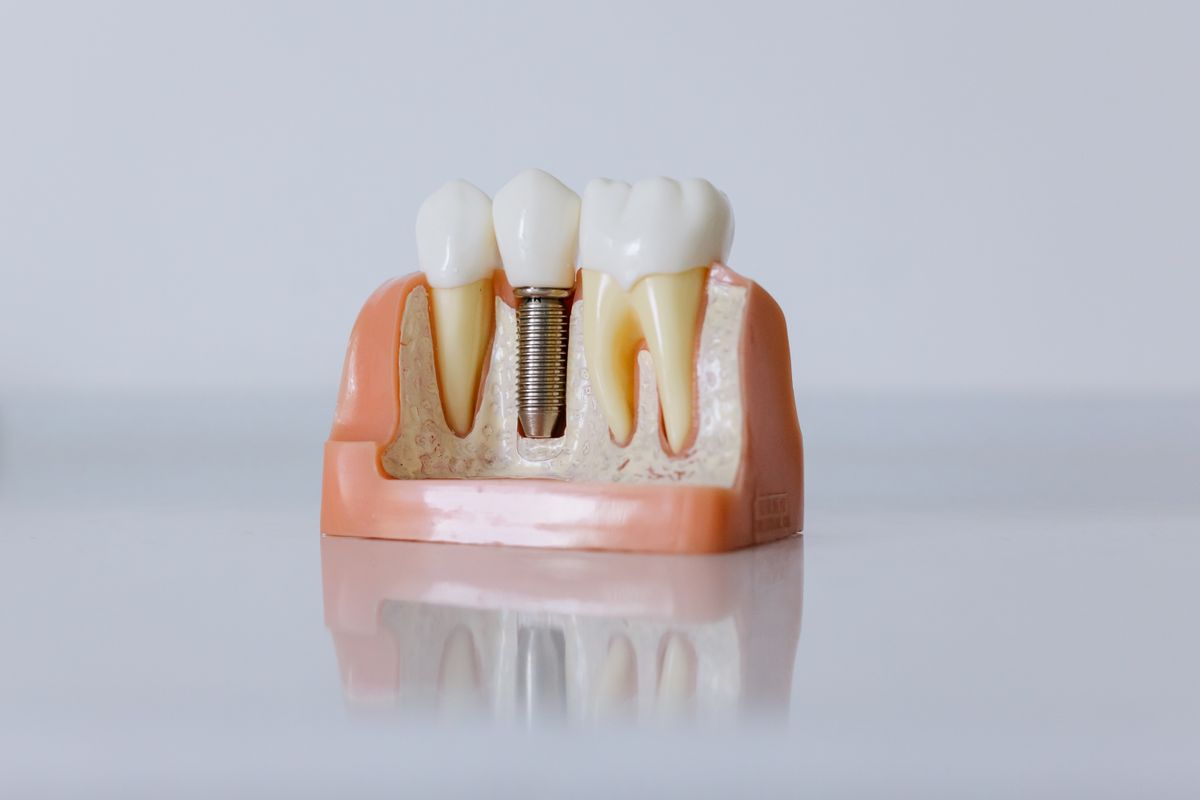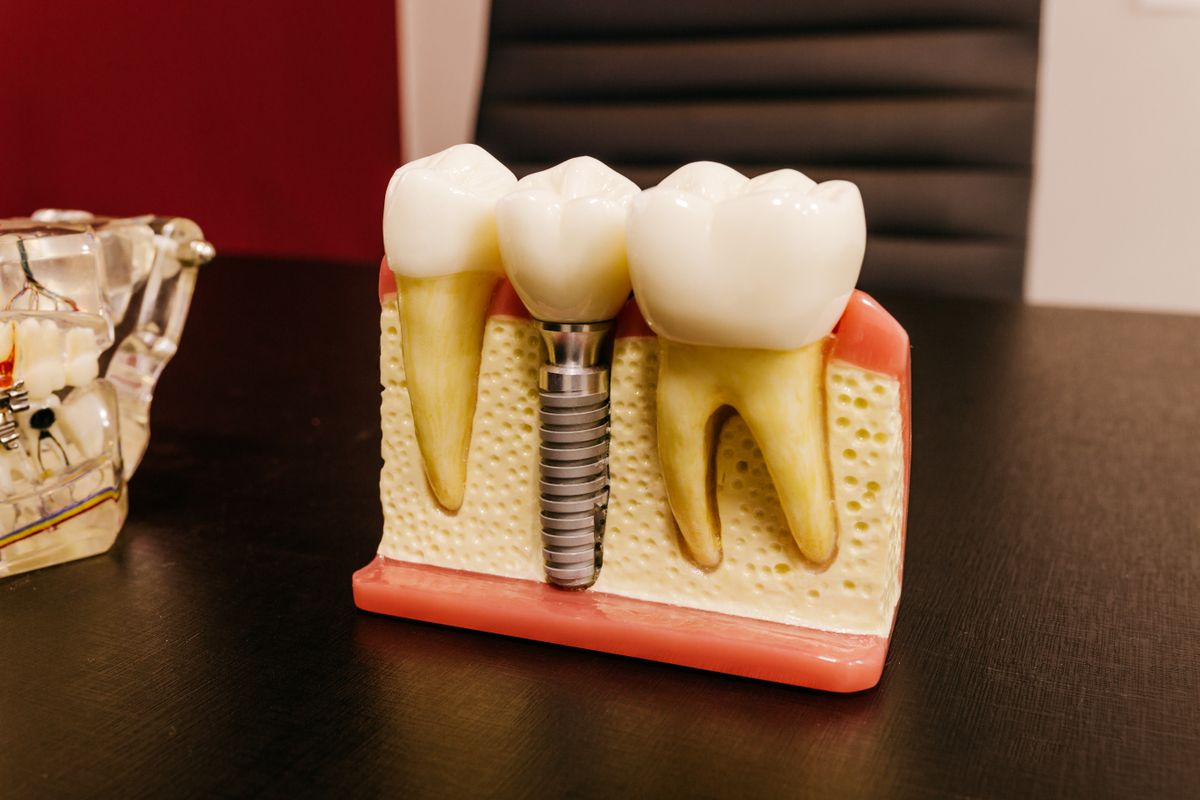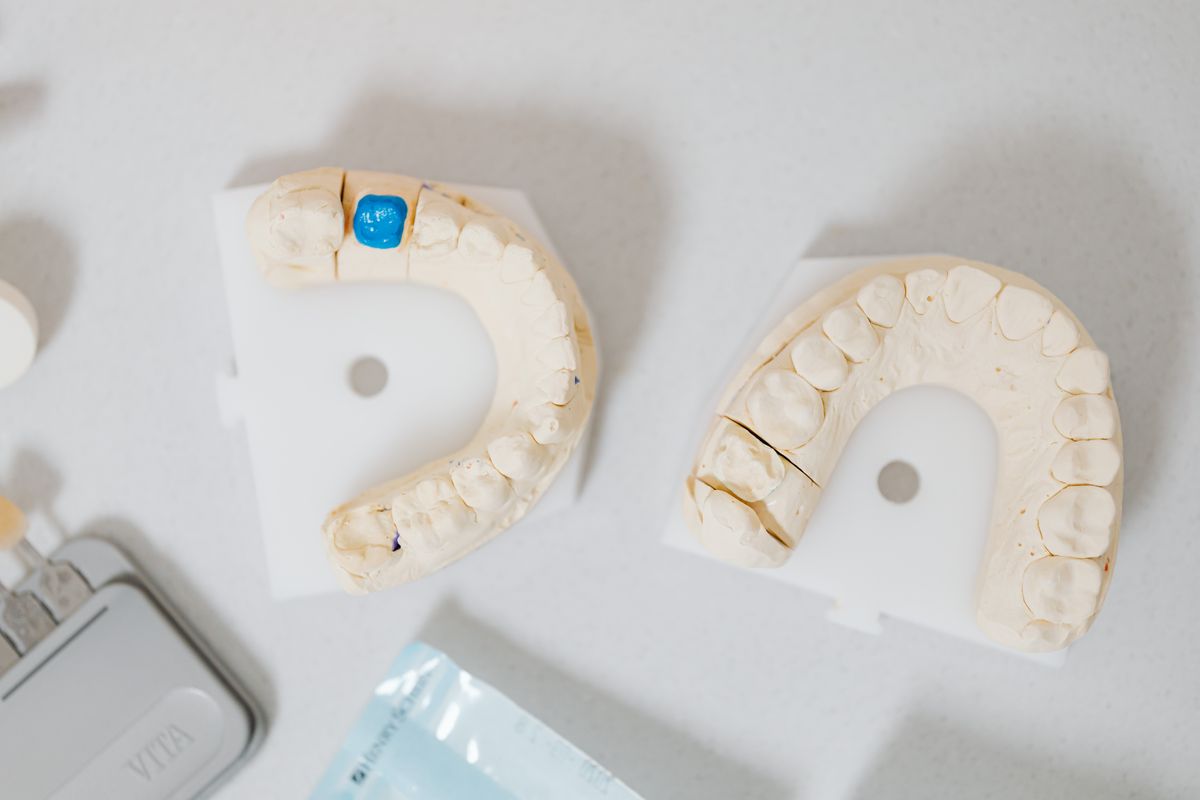

Restorative dentistry isn't all-or-nothing between a small filling and a full crown — inlays and onlays fill a genuinely useful middle ground, and they come up often enough in treatment planning that it's worth understanding what they actually are and why we'd recommend one over the alternatives.
What makes them different from a filling
A traditional filling is placed directly into a cavity in one visit, molded into shape while it's still soft. An inlay or onlay, by contrast, is fabricated outside the mouth — either by a dental lab or milled chairside — from a solid, durable material like porcelain or composite resin, then bonded precisely into place. An inlay fits within the cusps (the points) of a tooth's chewing surface, while an onlay extends over one or more cusps when the damage is more extensive. Both preserve significantly more of your natural tooth structure than a full crown would, since neither requires reducing the tooth down to a peg the way crown preparation does.
When we recommend one
- A cavity too large for a filling to support long-term, but not large enough to justify a crown
- An old filling that has failed or fractured and needs a stronger replacement
- A tooth with a cracked cusp that needs reinforcement without full crown coverage
- Cases where preserving healthy tooth structure is a priority
Why the extra step is worth it
Because inlays and onlays are fabricated outside the mouth under ideal conditions, they can be shaped and polished with a level of precision and strength that's difficult to match with a filling placed directly in a single visit. Porcelain versions are also stain-resistant and can be matched closely to your natural tooth shade, so the repair blends in rather than standing out. The trade-off is a slightly longer process — typically two visits, with a temporary restoration in between while your permanent piece is fabricated — though same-day milling technology can sometimes complete the entire process in one visit.
What to expect afterward
Once bonded into place, an inlay or onlay functions like the rest of your tooth — you can chew normally almost immediately, with only mild, temporary sensitivity to hot or cold in the days that follow, which typically fades on its own. With normal brushing, flossing and checkups, a well-placed porcelain inlay or onlay commonly lasts 10 to 15 years or longer, similar to the longevity of a crown, just with more of your original tooth intact underneath it.
If you've been told you need a large filling replaced or a cracked tooth reinforced, ask whether an inlay or onlay is the right fit for your case — see our restorative care page for the full range of options we offer.