Getting a young child to brush thoroughly, twice a day, without turning it into a battle, is a skill most parents have to build over time — and the right approach changes quite a bit as kids get older.
Ages 0–2: it's about the habit, not the technique
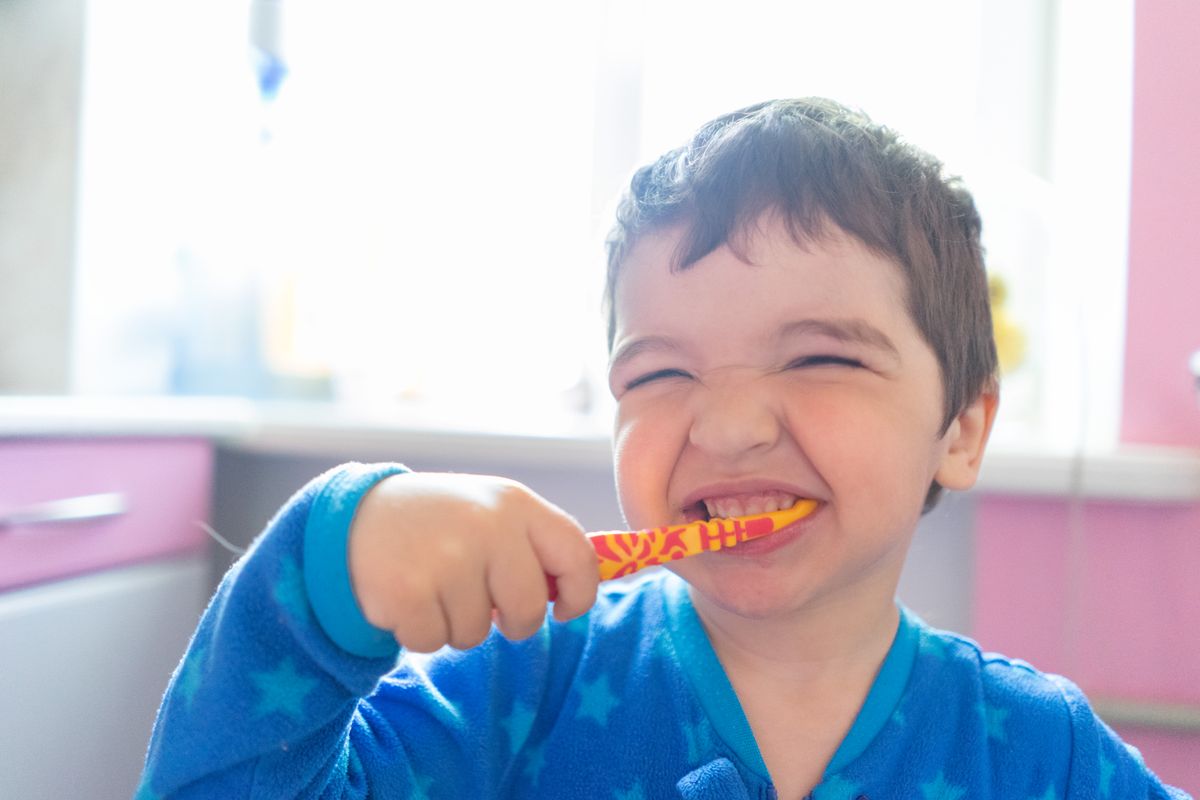
As soon as the first tooth appears, a soft infant toothbrush or finger brush with a rice-grain smear of fluoride toothpaste twice daily builds the routine before technique matters much at all. At this age, you're doing essentially all of the brushing — the goal is just making it a normal, expected part of morning and night.
Ages 3–6: let them try, then finish the job
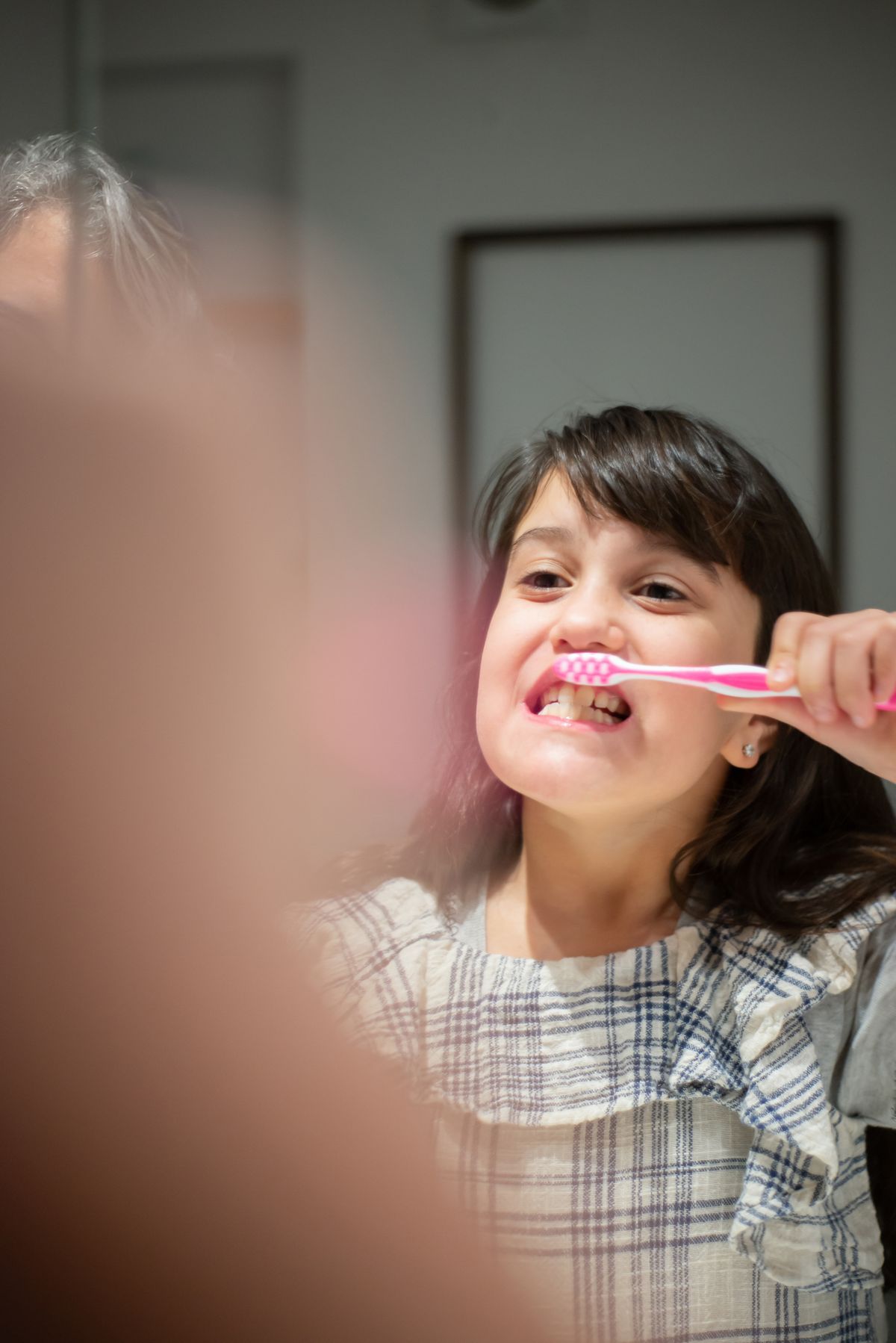
Kids this age want independence and will insist on brushing themselves — which is great for building the habit, but their fine motor skills genuinely aren't developed enough to clean thoroughly yet. Let them go first, then follow up gently to make sure the back teeth and gumline actually get cleaned.
Tricks that actually help at this age
- A two-minute timer, song, or brushing app makes the time feel shorter and more like a game
- Letting them pick their own toothbrush character or flavor of toothpaste builds buy-in
- Brushing alongside them, so it's something you do together rather than something done to them
- A sticker chart or simple reward system for consistent two-times-a-day brushing
Ages 7 and up: shifting toward independence
By around age seven or eight, most kids have the hand coordination to brush thoroughly on their own, though spot-checking now and then is still worthwhile. This is also a good age to introduce flossing as part of the nightly routine, ideally before it feels like one more chore added on top of an already-established habit.
When brushing keeps being a fight
If brushing consistently turns into a battle regardless of approach, it's worth mentioning at a checkup — sometimes sensory sensitivities, taste aversions to certain toothpaste flavors, or anxiety are at play, and there are usually simple adjustments that make a real difference.
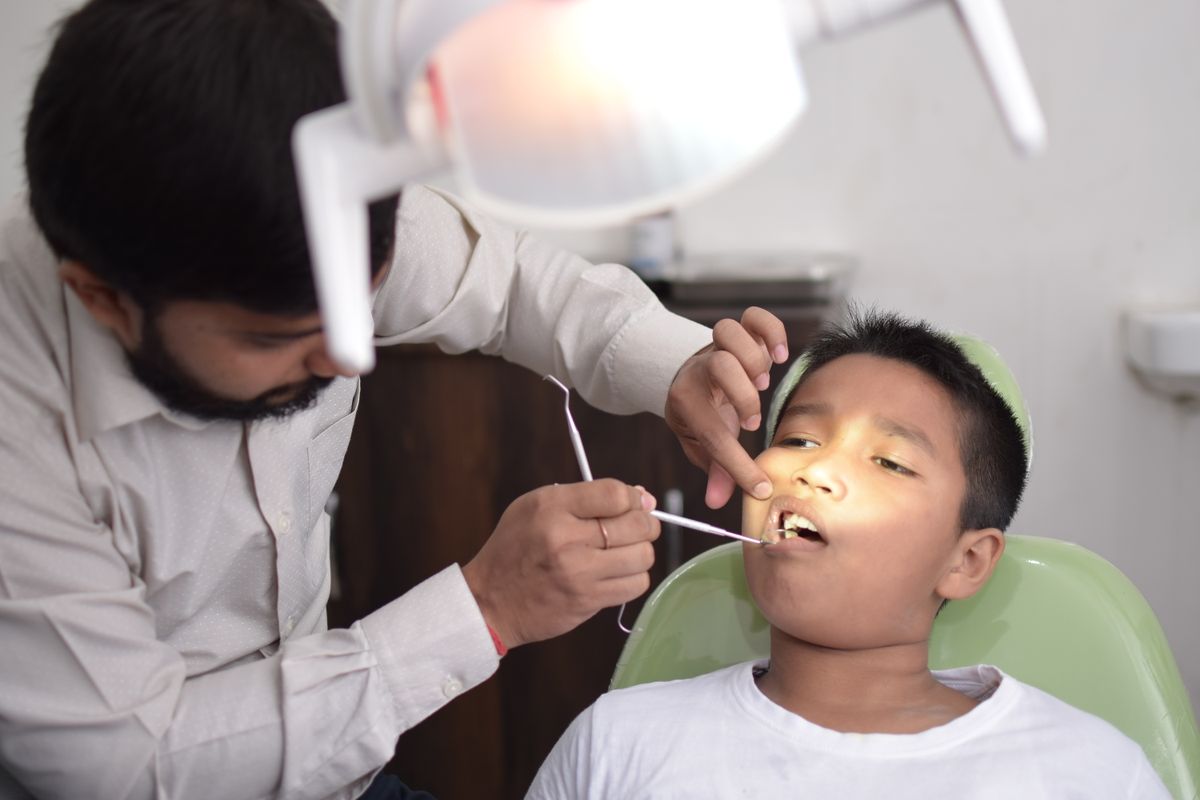
If brushing is a regular struggle, mention it at your child's next pediatric dentistry visit — we're glad to help.